
Electronic Hookahs: What They Are, How They Work, and How They Differ from Traditional Hookahs (Electric Shisha Guide 2026)
Electronic hookahs (also known as electric hookahs, e-shisha devices, or electronic shisha systems) are modern smoke-free alternatives to traditional hookahs. They heat shisha tobacco or flavored liquid using electricity instead of charcoal combustion. In this guide, we explain how electronic hookahs work, compare them with traditional hookahs, vapes, and e-cigarettes, and break down their advantages, limitations, and real-world usage.

Contents
- What Is an Electronic Hookah?
- How Does an Electronic Hookah Work?
- How Electronic Hookahs Differ from Traditional Hookahs
- Types of Electronic Hookahs
- Advantages and Disadvantages
- Are Electronic Hookahs Harmful?
- How to Choose an Electronic Hookah
- Electronic Hookah vs Vape vs E-Cigarette
- HOOB’s Position and Philosophy
- Frequently Asked Questions
- Sources and Responsible Consumption
What Is an Electronic Hookah?
An electronic hookah is a modern electric smoking device that heats shisha tobacco or nicotine-containing liquid using an electric heating system instead of burning charcoal. This eliminates combustion and replaces it with controlled vaporization technology.
In global search behavior, users also refer to electronic hookahs as electric shisha, e-hookah, hookah vape, or heated tobacco hookah systems. These terms describe the same product category: electrically heated hookah alternatives designed for convenience and portability.
Short Definition
An electronic hookah is a non-combustion inhalation device that produces aerosol by heating tobacco or liquid below the combustion point (typically 80°C–315°C), reducing charcoal-related emissions.
Other Names for Electronic Hookahs
- Electric Hookah — most common global search term
- Electronic Hookah — retail and manufacturer terminology
- E-Shisha — popular in Europe and Middle East markets
- Heated Tobacco Hookah — technical classification
- Smart Hookah — marketing term for digital temperature-controlled devices
How Does an Electronic Hookah Work?
Electronic hookahs operate by using an electric heating element to bring tobacco or liquid to a controlled temperature range. Instead of combustion (burning charcoal), the system uses vaporization to generate inhalable aerosol.
Step-by-Step Process
- Power activation — device is powered via battery or electrical connection
- Loading consumable — tobacco capsule, cartridge, or e-liquid is inserted
- Temperature control — user sets desired heat level (flavor vs intensity optimization)
- Vapor generation — heating element activates during inhalation
- Maintenance — cleaning or cartridge replacement after use
Heating Technologies
Modern electronic hookahs use coil-based heating systems (similar to vape devices), ceramic heating chambers for flavor stability, or induction heating systems for premium temperature precision and uniform heat distribution.
How Electronic Hookahs Differ from Traditional Hookahs
The main difference between electronic hookahs and traditional hookahs is the heat source. Traditional hookahs rely on burning charcoal (combustion), while electronic hookahs use electric heating elements to avoid combustion entirely.
| Parameter | Traditional Hookah | Electronic Hookah |
|---|---|---|
| Heat Source | Charcoal combustion | Electric heating system |
| Process | Pyrolysis and combustion of tobacco | Controlled vaporization without combustion |
| Output | Smoke with carbon monoxide and tar | Aerosol (vapor) from heated liquid or tobacco |
| Preparation Time | 15–20 minutes setup and charcoal preparation | 30–60 seconds activation time |
| Usage Style | Ritual-based, social preparation experience | Convenience-focused modern device usage |
Core Difference: Combustion vs Vaporization
Traditional hookahs produce smoke through charcoal combustion, generating carbon monoxide and other byproducts. Electronic hookahs eliminate combustion and rely on vaporization, significantly reducing combustion-related toxins while still producing inhalable aerosol particles.
Types of Electronic Hookahs
Electronic hookahs are categorized by heating technology, device design, and consumable system type. These factors directly affect performance, flavor quality, and user experience.
By Heating Method
- Liquid-based electronic hookahs — e-shisha systems using flavored liquid formulations
- Tobacco heating systems — heated tobacco capsules or sticks
- Hybrid systems — support both tobacco and liquid formats
By Device Format
- Tabletop electronic hookahs — designed for home and lounge use
- Portable electronic hookahs — battery-powered travel devices
- Handheld hookah vape devices — compact pocket-sized systems
By Consumable System
- Refillable systems — optimized for long-term cost efficiency
- Disposable cartridges — maximum convenience and minimal maintenance
- Replaceable pods — balanced performance and usability
Advantages and Disadvantages of Electronic Hookahs
Advantages
- No charcoal, ash, or open flame required
- Fast startup time (under 60 seconds)
- Portable and travel-friendly design options
- Reduced odor compared to traditional hookahs
- Stable and controllable heating temperature
Disadvantages
- Different flavor profile compared to charcoal hookahs
- Battery dependency and limited operating time
- Recurring cost of cartridges and consumables
- Less traditional ritual experience
- Long-term health effects still under scientific research
Are Electronic Hookahs Harmful?
Electronic hookahs are not risk-free. Although they eliminate charcoal combustion, they still produce inhalable aerosol containing chemical compounds.
Compared to traditional hookahs, electronic systems reduce exposure to carbon monoxide and combustion toxins, but introduce aerosolized substances such as propylene glycol, glycerin, flavorings, and thermal degradation byproducts.
How to Choose an Electronic Hookah
Choosing the right electronic hookah depends on usage scenario, device technology, and long-term consumable costs.
Key Factors
- Heating technology (coil, ceramic, or induction)
- Battery capacity and runtime
- Temperature range and control precision
- Material quality and durability
- Availability of consumables in your region
Electronic Hookah vs Vape vs E-Cigarette
Many users search for “hookah vape” or “electronic hookah cigarette,” but these are different product categories with distinct usage experiences.
| Device | What It Heats | Experience |
|---|---|---|
| Electronic Hookah | Tobacco or liquid | Closest to hookah-style experience |
| Vape | E-liquid | Flavor-focused vapor experience |
| E-Cigarette | Nicotine liquid or heated tobacco | Cigarette replacement device |
HOOB’s Position and Philosophy
HOOB specializes in traditional hookahs engineered for durability, airflow optimization, and long-term mechanical reliability. We focus on materials, precision machining, and modular systems rather than electronic heating technologies.
While electronic hookahs prioritize convenience and speed, HOOB hookahs are designed to preserve the traditional hookah ritual, flavor depth, and long-term product lifecycle.
If compactness matters — we also have a solution
A significant part of searches for electronic hookahs is not actually about electric heating itself, but about compact size and fast setup time. For this use case, we offer compact traditional hookahs: smaller than full-size models, easy to pack in a case, and operating on the same principle as a classic charcoal hookah experience.
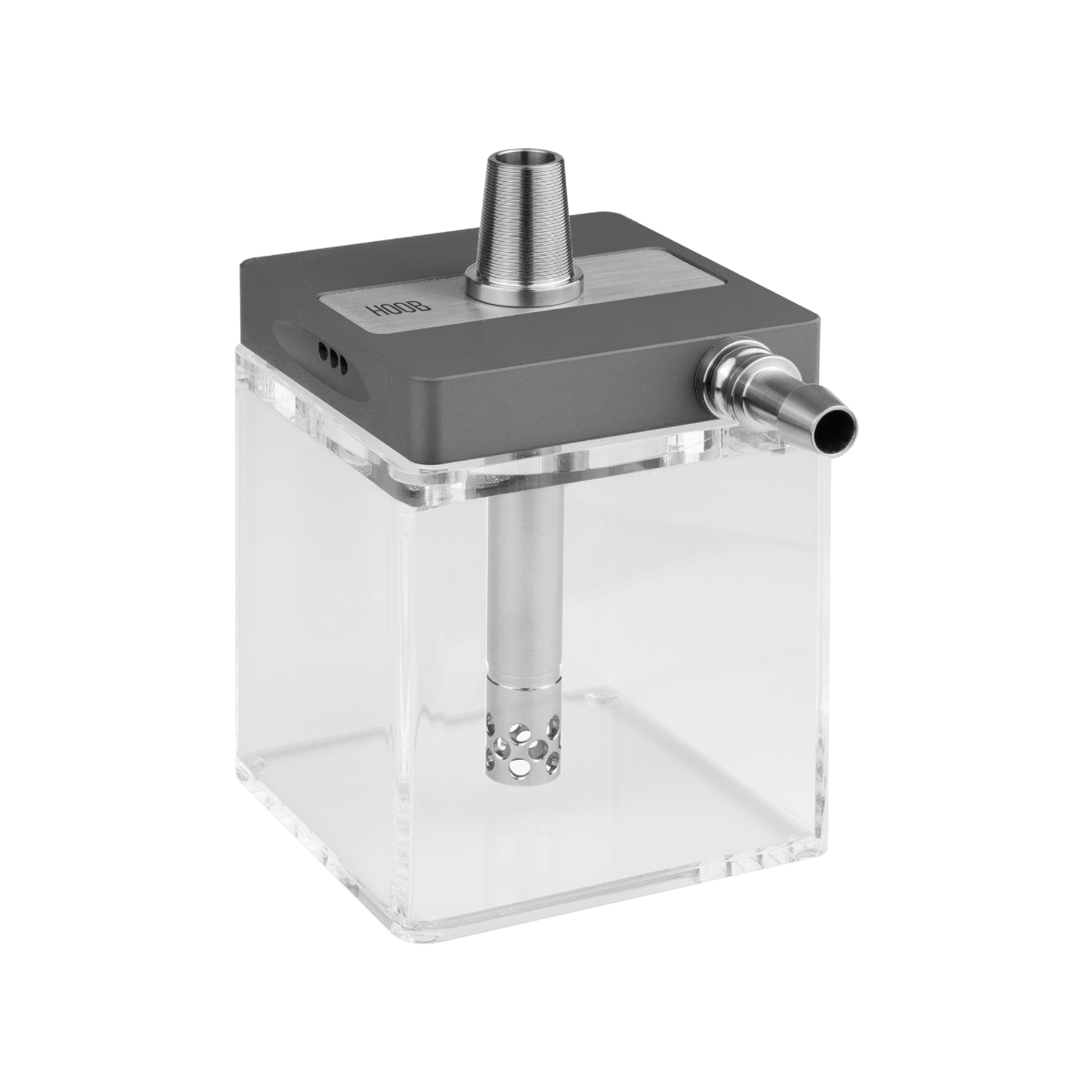
Hoob subAtom
Compact / Travel Hookah
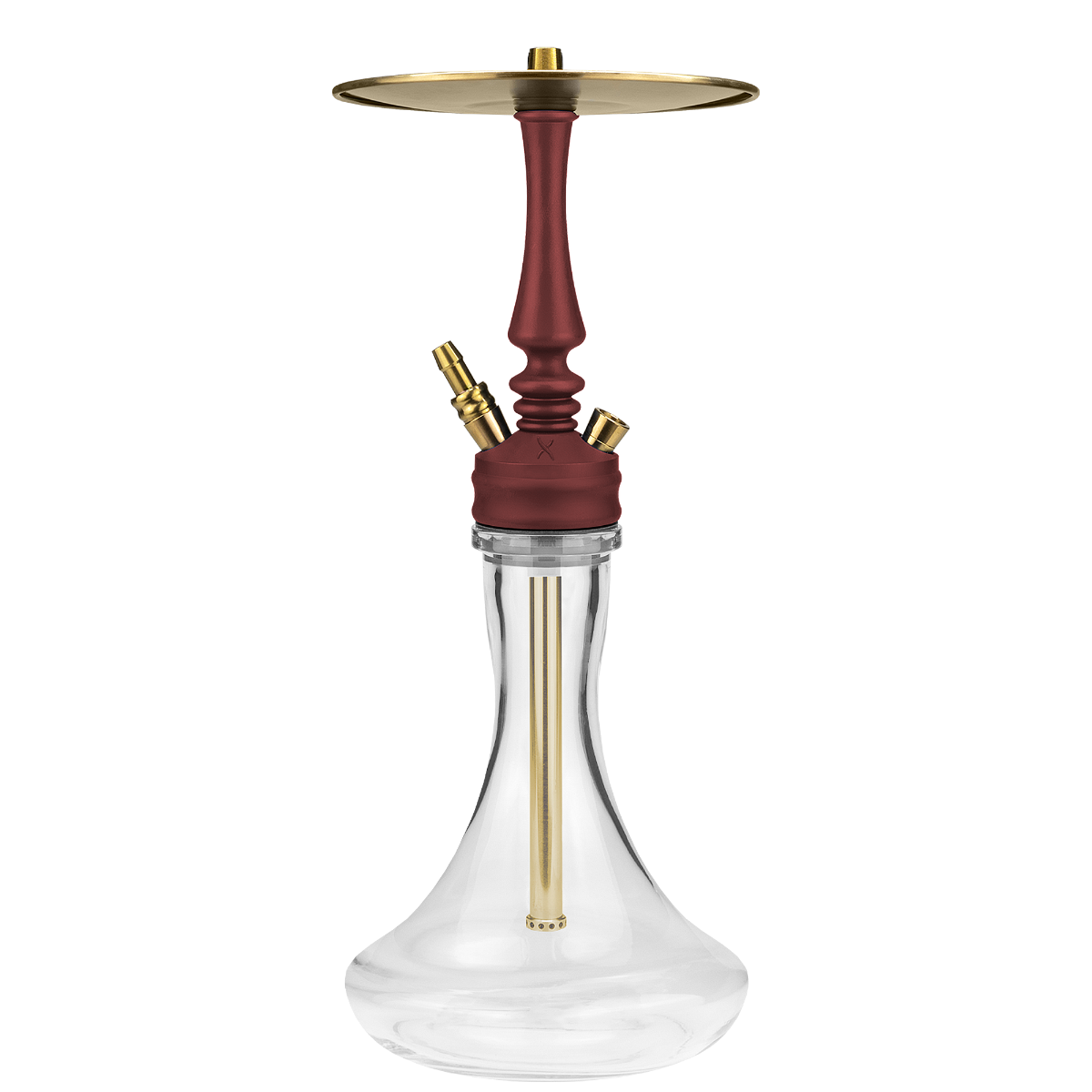
Hoob Mars Mini
Compact Classic Hookah
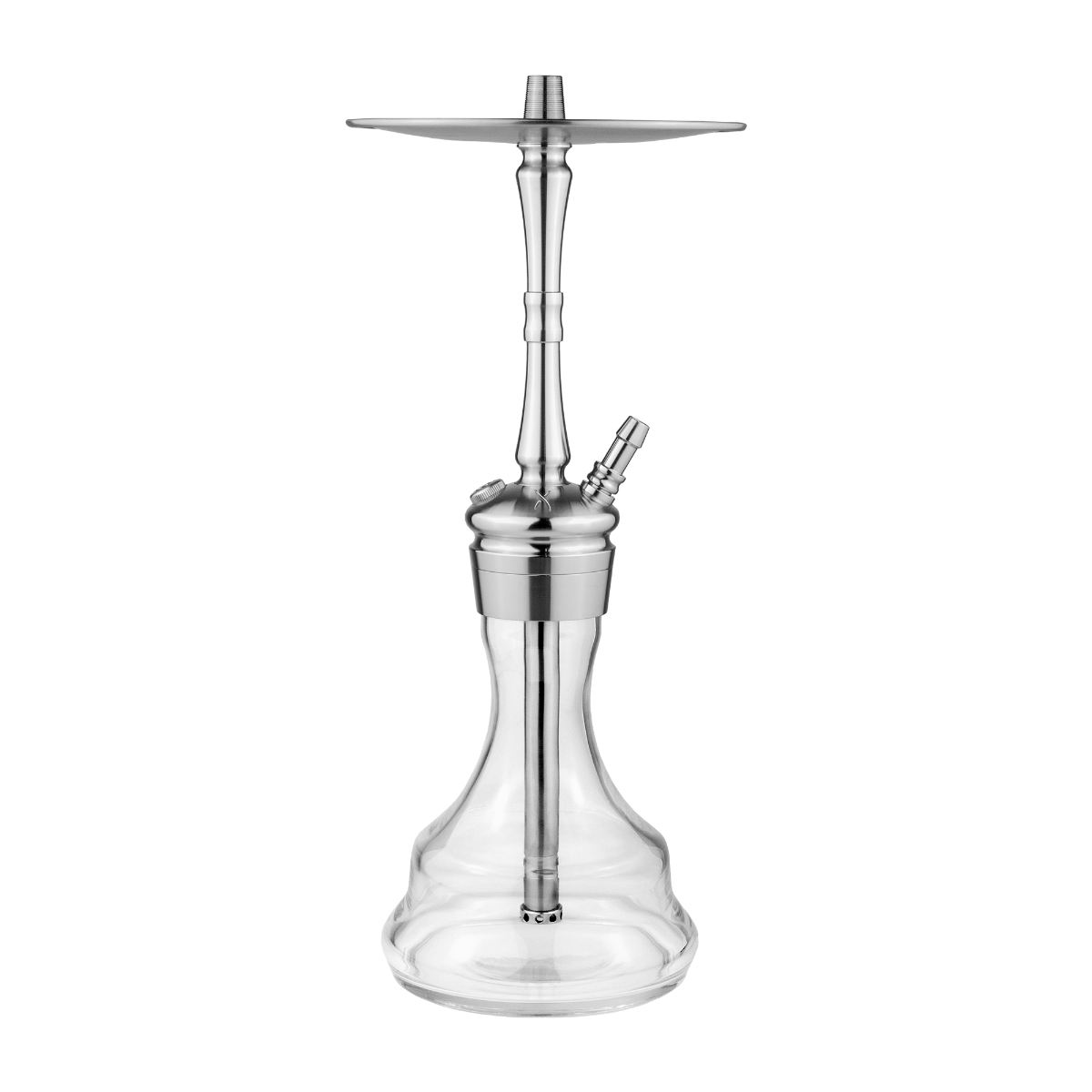
Hoob Go Pro Mini
Simple & Reliable Hookah
The full HOOB collection includes 8 product families — Go, Go Pro, Mars, Mars Pro, Enzo, subAtom, Atom, and Futurist — all available on the HOOB Hookahs Collection page.
Frequently Asked Questions
What is an electric hookah?
“Electric hookah” is a common alternative name for an electronic hookah. It is a device that heats tobacco or liquid using electricity rather than charcoal or an open flame. In practice, the terms “electric hookah,” “electronic hookah,” and “electronically heated hookah” refer to the same category of products.
How does an electronic hookah differ from a traditional hookah?
The key difference is the heat source. A traditional hookah uses charcoal combustion, while electronic hookahs use electric heating to vaporize tobacco or liquid at controlled temperatures.
Are electronic hookahs harmful?
Electronic hookahs are not harmless. Compared to charcoal smoke, they may reduce exposure to combustion byproducts, but still produce inhalable aerosol containing chemical compounds.
Which is better: an electronic or a traditional hookah?
It depends on priorities. Traditional hookahs provide richer flavor and ritual experience, while electronic hookahs offer convenience, portability, and faster setup.
What are the disadvantages of electronic hookahs?
Key disadvantages include dependency on electronics, battery limitations, consumable costs, and incomplete scientific understanding of long-term health effects.
What is the best electronic hookah?
There is no universal best device. The ideal choice depends on whether you prioritize portability, flavor intensity, battery life, or ease of use.
How much does an electronic hookah cost?
Prices vary from disposable low-cost devices to premium tabletop systems costing several hundred dollars, excluding consumables.
How long does an electronic hookah session last?
Most sessions last 45–60 minutes depending on device type and usage intensity.
Is a nicotine-free electronic hookah safe?
Nicotine-free devices eliminate nicotine exposure but still produce aerosol containing heated carrier compounds.
Can electronic hookahs be used in hookah lounges?
Usage depends on local laws and venue policies. Many regions regulate electronic smoking devices similarly to vaping products.
Which vape is most similar to a hookah?
Large sub-ohm vape systems provide the closest vapor experience, but no vape fully replicates hookah due to absence of water filtration and charcoal ritual.
What can replace a traditional hookah if I want something simpler?
Closest alternatives include tobacco-heated electronic hookahs, compact traditional hookahs, and high-performance vape systems.
Sources and Responsible Consumption
Methodology
This article is based on publicly available WHO reports, aerosol chemistry research, and technical documentation from manufacturers of electronic nicotine delivery systems (ENDS).
Sources
- World Health Organization (WHO) publications on ENDS and aerosol exposure
- Manufacturer technical documentation for electronic hookah and heated tobacco systems
- Peer-reviewed research on vaporization and aerosol chemistry
- HOOB traditional hookah engineering documentation
Responsible Consumption
- For adults of legal smoking age only
- Nicotine is an addictive substance
- Non-smokers should not start using nicotine products
- Pregnant individuals and people with respiratory conditions should avoid use
18+ Informational Material.
This content is provided for educational purposes only and does not constitute promotion or encouragement of smoking or vaping products.