Hookah manufacturing in Zelenograd: from metal and wood machining to full assembly and inspection of every finished piece.
1,500 m²manufacturing, warehouse, assembly and packing since 1 June 2026
20core turning and milling machines as of 20 August 2026
40people in the production team
ZelenogradHOOB's own manufacturing site
A hookah does not begin at assembly. It begins with part geometry, material and a repeatable process.
HOOB machines stainless steel, aluminium and wood. The team makes stem elements, ports, valves, mouthpieces and stem sleeves, performs finishing operations, then assembles and inspects the finished hookahs.
An in-house cycle keeps design, manufacturing and quality control within one team.
01 · Precision machining
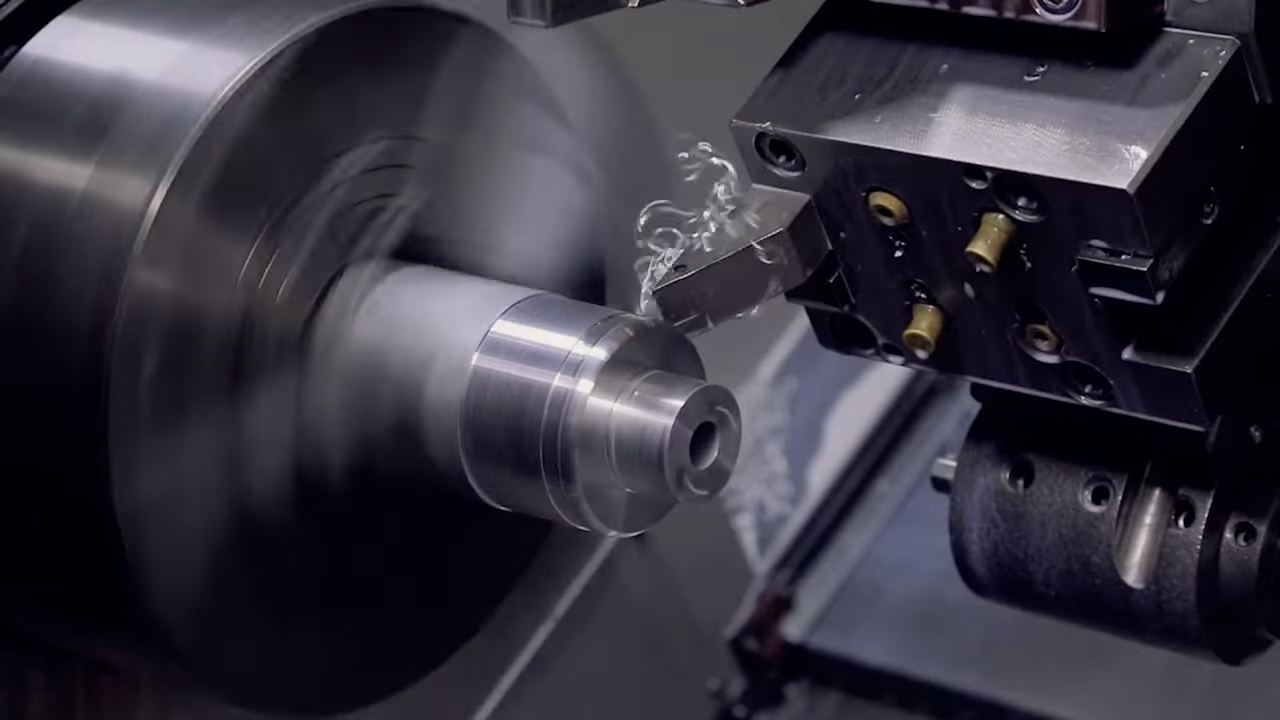
A component takes shape on the machine
Lathes with live tooling, automatic feeding and workpiece changes are complemented by four-axis milling centres. They provide the repeatable geometry required for connections and fits.
Stainless steel and aluminium
Stem elements, ports, valves and mouthpieces
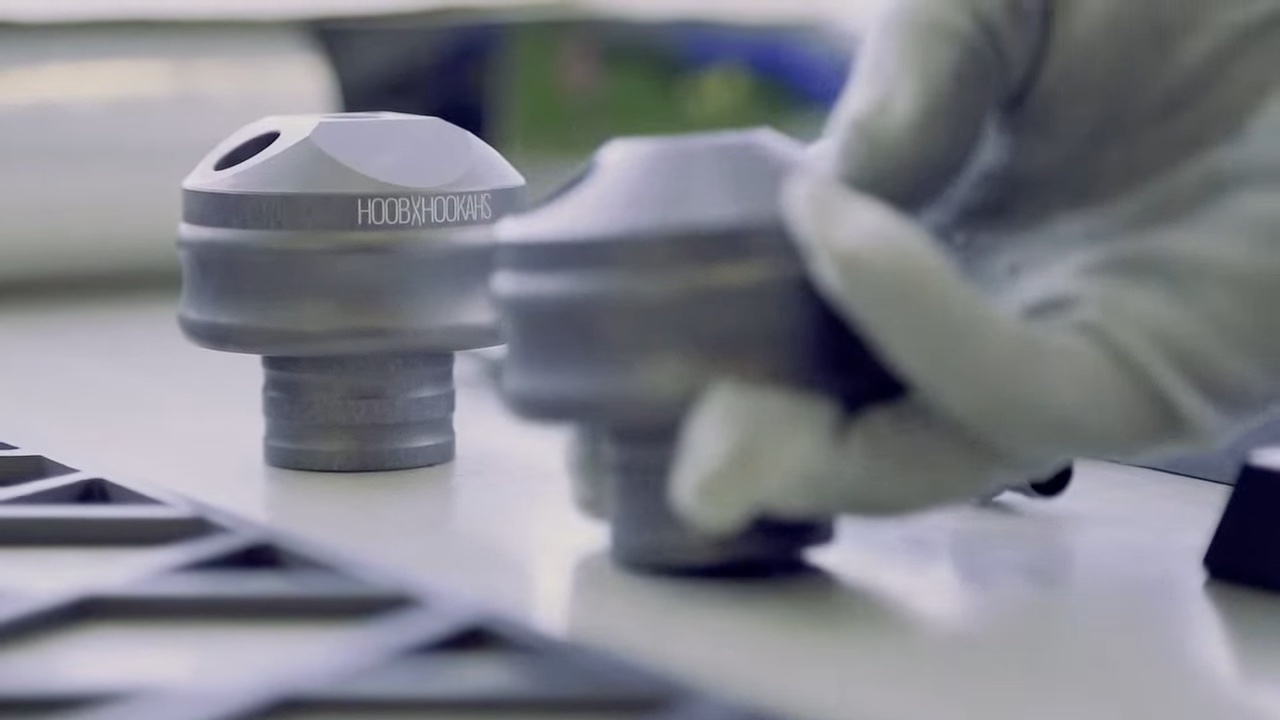
Laser engraving is performed at HOOB
02 · Material and finish
Checks before and after machining
Materials arrive with certificates and quality passports. Metal composition can be checked with a spectrometer and wood moisture with a dedicated meter. Every finished component is inspected for dimensions, appearance and coating quality.
Dedicated gauges, calipers and micrometers
Grinding, aquablasting and wood coatings are done in-house
Aluminium anodising and PVD are handled by specialist partners
03 · Assembly and testing
Every hookah is fully assembled
Before packing, each hookah is completely assembled and disassembled. A vacuum station checks airtightness and valve operation, while completeness is verified against the technical card for that model.
Every component passes quality control
Every finished hookah is tested for airtightness
Unrecoverable metal rejects are recycled as scrap with machining swarf
04 · From prototype to series
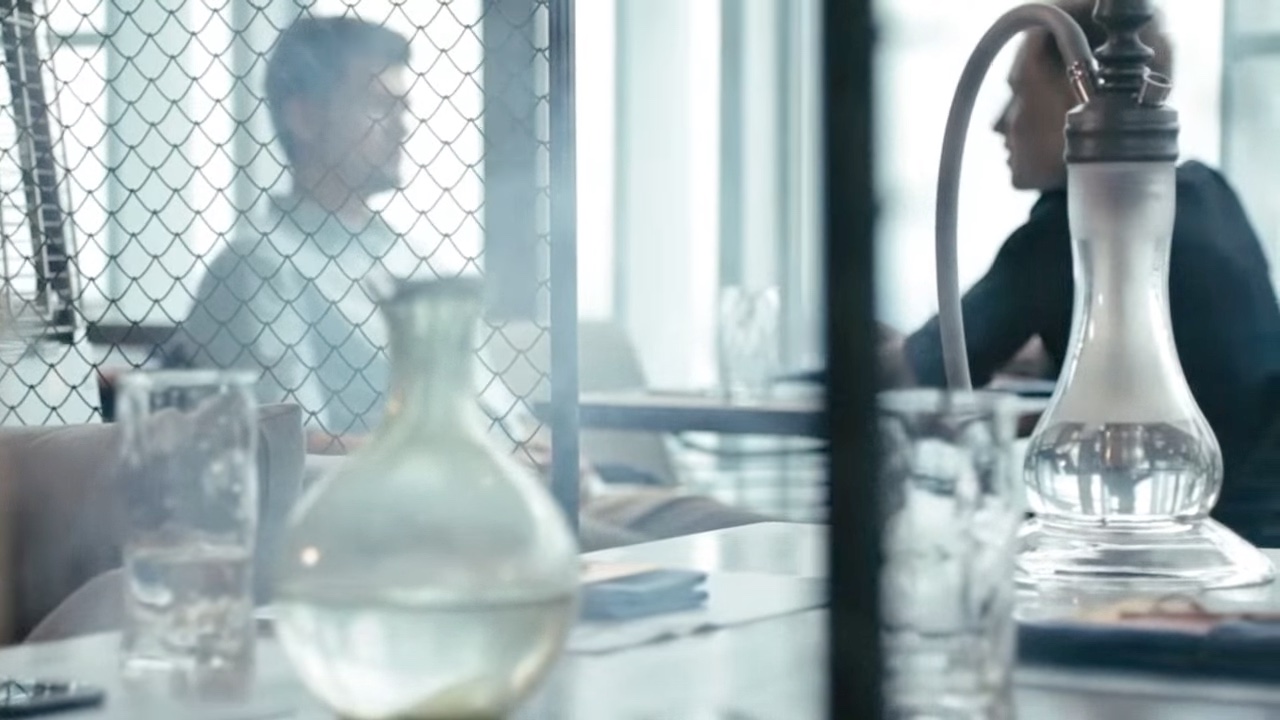
The design is tested in practice
A new model starts with a prototype and internal testing. HOOB then makes a mini-batch for practical trials in specialist hookah lounges. Only a successful design moves into series production.
Development remains within the HOOB team
Drawings and technical cards accompany production
Batches are traceable to material deliveries by manufacturing period
The scope of the in-house cycle
HOOB makes key assemblies in-house
Specialist partners handle processes that require dedicated industrial equipment.
At HOOB
Metal and wood
Machining, grinding, laser engraving, aquablasting, preparation and coating of wooden components.
Specialist partners
Advanced finishes
Aluminium is anodised in HOOB colours by a partner in the Moscow Region; PVD is also handled by a specialist contractor.
Purchased components
Complementary parts
Silicone seals, glass and acrylic bases, plus magnetic discs for ports and base connections are sourced externally.
Quality control
Four checkpoints before packing
A recoverable defect is corrected and inspected again. A component that cannot be corrected never reaches assembly.
Incoming materialQuality passports, certificates, metal composition and wood moisture.
Finished componentDimensions, appearance and coating quality.
Full assemblyAssembly, disassembly and completeness against the technical card.
Vacuum stationHookah airtightness and valve operation.
Current HOOB lines
FAQ
HOOB manufacturing, in brief
Where is HOOB manufactured?
In Zelenograd, Moscow. Since 1 June 2026, manufacturing, warehouse, assembly and packing occupy a 1,500 m² site.
What equipment does HOOB use?
As of 20 August 2026, there are 20 core turning and four-axis milling machines, supported by woodworking, drying, painting, aquablasting and ultrasonic cleaning equipment.
Which components does HOOB make in-house?
All stem elements, ports, valves, mouthpieces and stem sleeves. Silicone parts, bases and magnetic discs are purchased.
How is a finished hookah tested?
It is fully assembled and disassembled, tested for airtightness and valve operation on a vacuum station, and checked for completeness against its technical card.