
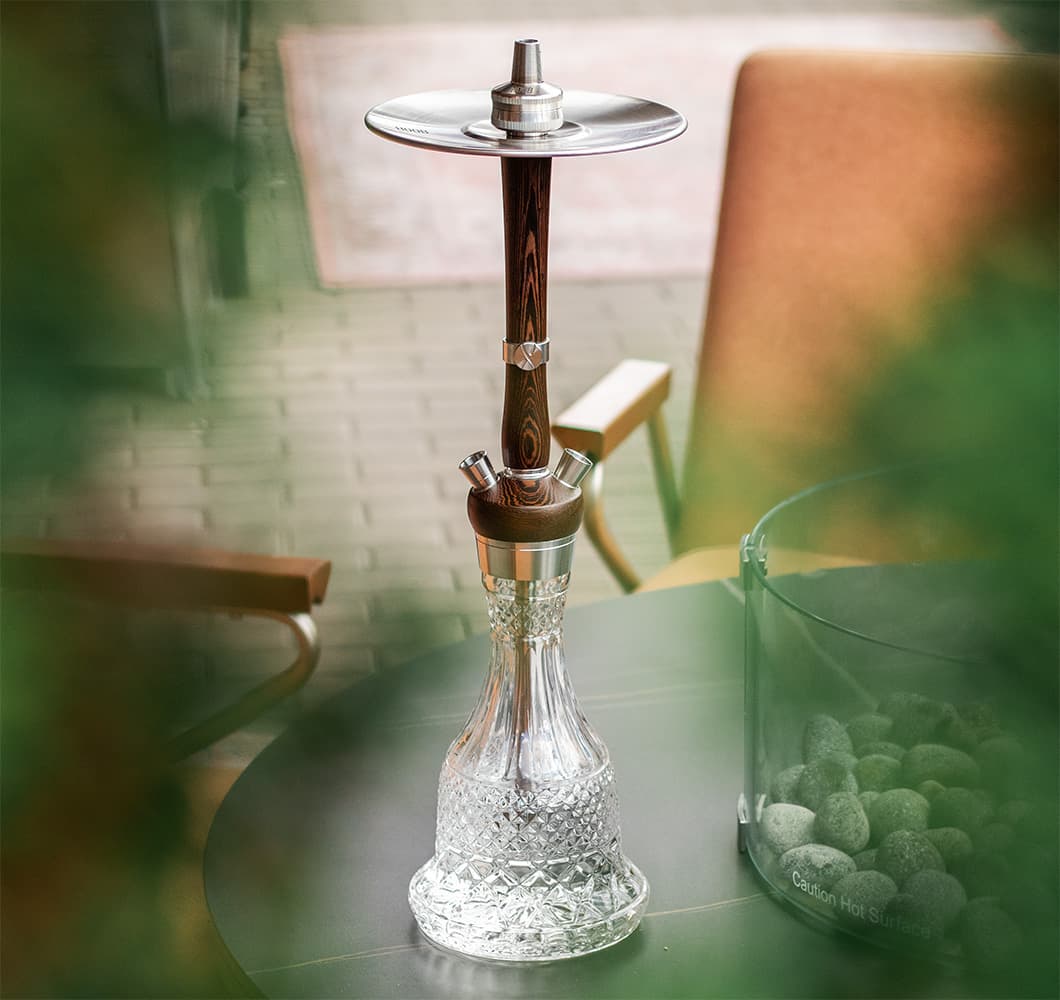
How to Choose a Good Hookah: Rating Features Instead of Brands
Lists of top hookahs and rankings of popular models quickly become outdated, while big-name brands do not guarantee quality. This article offers a different rating based on seven objective criteria that make a hookah good: material, height, draw, airtightness, bowl, hose, and after-sales service. This will help you decide which hookah is best for your home.
Contents
- What “the best hookah” means
- 7 criteria for evaluating a hookah
- Stem and base materials
- Height and draw
- Airtightness and build quality
- Bowl and hose
- Types of hookahs in rankings
- Which hookah is best for home use
- Brands and manufacturers: how to evaluate a brand
- How much does a good hookah cost?
- Hookah trends for 2026
- Is hookah harmful? Myths and facts
- HOOB hookahs: an approach to quality
- Frequently asked questions
- Sources and responsible use
What “the best hookah” means and why rankings can be misleading
A good model is not a line in someone’s top 10. It is a device that suits your needs in terms of material, draw, and ease of maintenance. Most hookah rankings are compiled by online retailers, so the “top” models are often those the store benefits from selling rather than the objectively best ones.
Myth: “Just buy a hookah from a top-10 list and it will be the best.”
Fact: A retailer’s ranking reflects margins and inventory rather than smoking quality. The same hookah may rank number one on one list and be absent from another. It is more objective to focus on criteria than on a position in someone else’s list.
Fact: A retailer’s ranking reflects margins and inventory rather than smoking quality. The same hookah may rank number one on one list and be absent from another. It is more objective to focus on criteria than on a position in someone else’s list.
Instead of another brand list, we have created a rating of features that truly determine whether a device is good. These criteria do not become outdated when new models are released and apply to hookahs made in any year.
7 criteria for evaluating a hookah: a meaningful rating
To determine which hookah is better, evaluate it against seven criteria in order of importance. This is a fair ranking: a feature-based framework experienced users rely on when choosing a good model.
1
Stem material
Stainless steel is the benchmark: it does not rust, impart an aftertaste, and lasts for years. This is the number-one durability criterion.
2
Airtightness
A hookah must not leak air. Airtightness affects the draw and smoke density more than any brand name.
3
Height and draw geometry
An optimal stem height and a properly calculated internal diameter provide a comfortable draw and effective smoke cooling.
4
Build and connection quality
Few joints, tight seals, and no play. Every unnecessary connection is a potential leak.
5
Bowl included
A phunnel or Turkish-style bowl is easier for a beginner and supports a longer session. A quality model comes with a well-designed bowl.
6
After-sales service
Replacement parts and seals should be available. A hookah with no spare parts will not last long.
7
Hose and fittings
A silicone hose, a functional valve, and a convenient tray. Small details that determine everyday comfort.
| Criterion | What to look for | Importance |
|---|---|---|
| Stem material | Stainless steel | High |
| Airtightness | No air leaks | High |
| Height and draw | 40–70 cm, approximately 13 mm in diameter | High |
| Build | Few joints, no play | Medium |
| Bowl | Phunnel included | Medium |
| After-sales service | Spare-part availability | Medium |
| Fittings | Silicone hose, valve | Low |
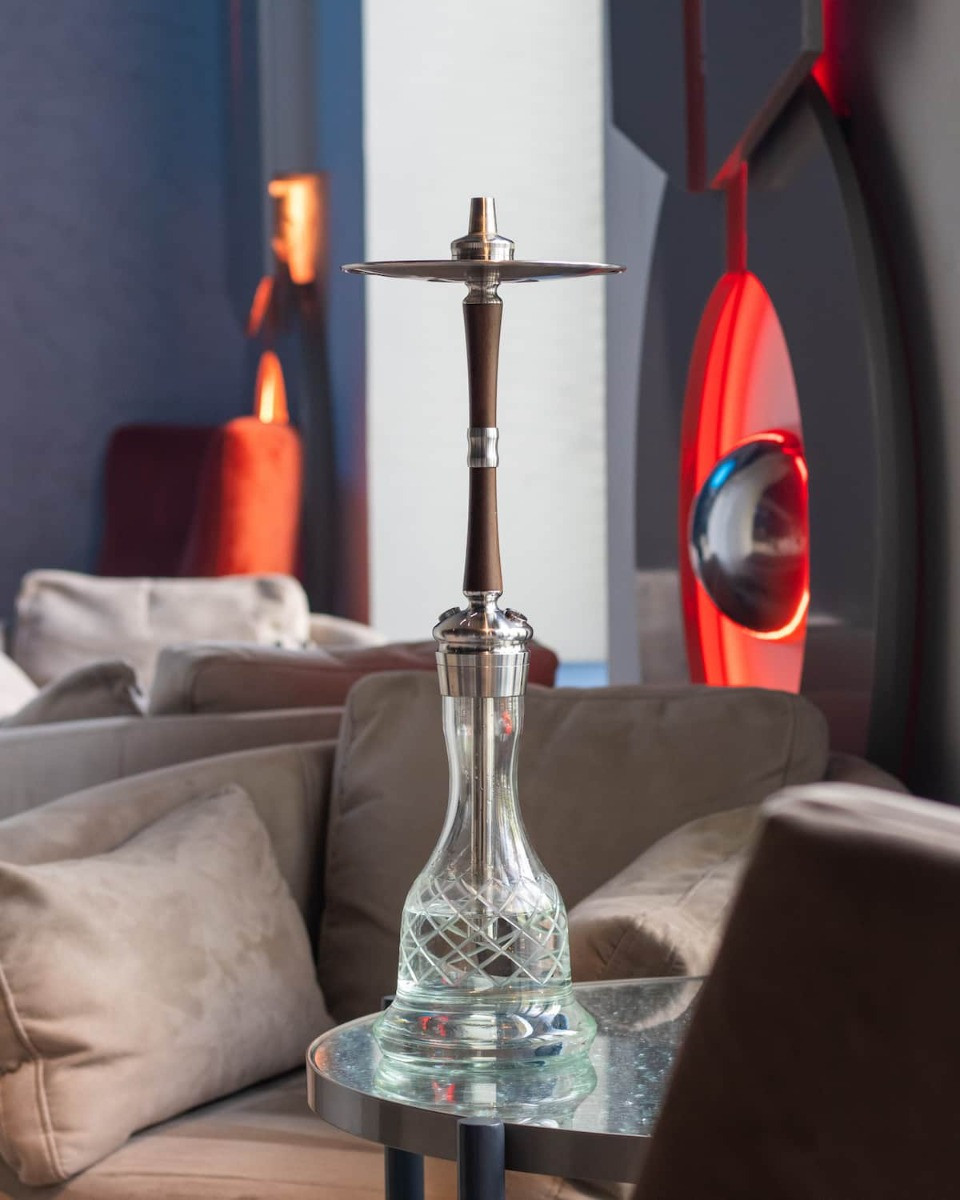
Stem and base materials
Material is the first thing to check when choosing a good hookah. A stainless-steel stem does not rust or oxidize and does not impart a metallic taste to the smoke. This is a key difference between top-quality and inexpensive models.
Stem
- Stainless steel — the benchmark. Durable, hygienic, and easy to clean.
- Anodized aluminum — a lightweight material often used in contemporary designer models.
- Brass — less expensive, but oxidizes over time and requires maintenance.
Base
- Glass — the standard: transparent, odor-resistant, and makes the water level visible.
- Plastic — less expensive, but absorbs color and odors and is not durable.
The combination of materials determines how long a hookah retains its original properties. A stainless-steel stem paired with a glass base is a time-tested combination that does not oxidize or retain unwanted odors. This is why material should be the first thing you check, even before design and price.
Height and draw
Stem height and draw geometry directly affect how smooth and dense the smoke feels. For home use, a stem height of 40–70 cm is optimal: the smoke has enough distance to cool while the hookah remains easy to maintain.
What affects the draw
- Internal stem diameter. About 13 mm offers a balance between an easy draw and dense smoke. A stem that is too narrow makes the draw restrictive.
- Vertical purge. A convenient feature for changing the water without fully disassembling the hookah.
- Diffuser. Breaks the smoke into small bubbles, making the draw smoother and quieter.
Rule of thumb. For home use, a medium height of 45–60 cm and an internal stem diameter of around 13 mm are comfortable. This is the sweet spot between smoke density and convenience.
Airtightness and build quality
Airtightness separates a good device from one that is attractive but ineffective. If a hookah leaks air, no brand name or design can compensate: the draw will be weak and the smoke thin.
How to test airtightness
- Fully assemble the hookah with water in the base.
- Cover the bowl opening with your palm.
- Try to inhale through the hose. The system should hold the vacuum, and there should be no airflow.
- If air passes through, look for a leaking connection—most often a worn seal.
Build quality is determined by the number of joints and the precision of fit. The fewer detachable connections there are and the tighter they fit, the more reliable the model. Magnetic hose connectors and well-designed seals are signs of thoughtful engineering.
Bowl and hose
The bowl and hose are often overlooked in rankings, yet they shape the convenience of every session. The bowl affects flavor and session length, while the hose affects hygiene and draw.
Bowl
- Phunnel — one central opening, with raised sides that retain syrup. Easier for beginners and suitable for longer sessions.
- Traditional multi-hole bowl — versatile, but requires a molasses catcher.
- Material. Glazed clay does not absorb odors and retains heat well.
Hose
- Silicone — washable under running water, rustproof, and hygienic. The optimal choice.
- Airtightness. Test it by blowing: if one end is blocked, there should be no leakage.
- Magnetic connector — a convenient modern solution for quick attachment.
Types of hookahs in rankings: traditional, electronic, and mini
The best models come in different types, and comparing all of them in a single ranking is misleading because each serves a different use case. Here are the main types and who they suit.
Traditional (charcoal)
Full-size models that heat tobacco with charcoal. They deliver rich flavor and the complete ritual. They are the main choice for homes and venues and dominate most top-hookah rankings.
Electronic hookahs
These heat liquid or tobacco electrically without charcoal. They are more portable and quicker to prepare but offer a different flavor profile. Electronic hookahs are rated by heating power, battery life, and cartridge-system convenience.
Mini and portable
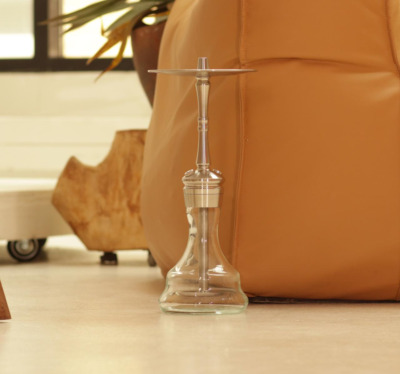
Compact models up to 45 cm tall. Convenient for travel and small groups. In mini-hookah rankings, weight, durability, and consistent draw in a small format take priority.
| Hookah type | Best for | Main criterion |
|---|---|---|
| Traditional full-size | Home, venues, ritual enthusiasts | Material, draw, airtightness |
| Electronic | Portability, quick start | Heating power, battery life |
| Mini / portable | Travel, small groups | Weight, durability, consistent draw |
Which hookah is best for home use
Choose a home hookah based on reliability, easy maintenance, and predictable performance. The best home hookahs are not the largest or most expensive, but those that are forgiving for beginners and easy to service.
What to choose for home use
- Stainless-steel stem of medium height (45–60 cm)—rustproof and easy to clean.
- Phunnel bowl — the most forgiving to pack.
- Clear glass base — makes the water level visible.
- Silicone hose — more hygienic than a fabric hose.
- Functional valve — simplifies purging and maintenance.
- Spare-part availability — so the hookah lasts for years rather than one season.
Tip. For home use, a simple airtight hookah with few joints is better than an expensive multi-part model from a “top” list. Fewer parts mean fewer potential air leaks.
Brands and manufacturers: how to evaluate a brand
Hookah brands and famous manufacturer names do not guarantee quality on their own. Instead of memorizing a list of “best brands,” learn to assess a brand using objective indicators. This is more reliable than any brand ranking. For a detailed guide, see how to evaluate a hookah brand and manufacturer. For a ready-made ranked list of models, see our editorial rating: Top 10 Hookahs of 2026.
How to evaluate a manufacturer
- Manufacturing transparency. Are the factory, country, and materials disclosed, or is there only marketing?
- Warranty and service. Does the manufacturer offer a warranty, and can the hookah be repaired?
- Spare-part availability. Are replacement seals, stems, and bowls available for the brand?
- Product-line continuity. Does the brand develop its model range over the years, or is it short-lived?
- Genuine reviews. Look for real experience after a year of use, not manipulated “top-1” claims.
Conclusion. A good brand supports its quality with materials and service rather than a place in a ranking. Today, Russian hookah manufacturers compete on engineering with well-known global brands.
How much does a good hookah cost?
A good hookah costs more than a souvenir-grade one, but the price should not be exorbitant. Cost is determined by material, build quality, and brand, and paying extra for a famous name is not always justified.
What determines the price
| Price segment | What you get | Best for |
|---|---|---|
| Budget | Basic steel or aluminum, basic package | First hookah, trial purchase |
| Mid-range | Stainless steel, well-designed draw | Home, regular use |
| Premium | Design, magnetic connectors, replacement parts | Enthusiasts, aesthetics |
The difference between inexpensive and expensive models lies in material, assembly precision, and durability. An inexpensive model may perform well at first but lose airtightness sooner. A higher price is justified when it pays for engineering rather than merely a name on the box.
For most people, the best strategy is neither to chase the most expensive premium model nor to economize with the cheapest one. A mid-range stainless-steel hookah with well-designed draw geometry will meet home-use needs for years at a reasonable cost. Paying for premium makes sense when aesthetics, rare materials, or collectible value matter to you.
Hookah trends for 2026
In 2026, the hookah market is moving toward compact formats, technology, and more sophisticated engineering. Understanding these trends helps you choose a model that will not feel outdated after one season.
Key directions for 2026
- Compact models. Mini hookahs are gaining popularity because they are convenient at home and while traveling.
- Electronic innovations. Manufacturers are developing electronic hookahs for people who value portability.
- Magnetic connections. Fast, threadless assembly is becoming standard in modern models.
- Stainless steel and anodizing. Durable materials are replacing inexpensive alloys.
- After-sales service. Replaceable parts offer a conscious alternative to disposability.
The overall direction is clear: a 2026 model is valued for thoughtful engineering and durability rather than visual impact. This shifts attention from brand rankings to the quality of a specific model.
Another notable trend is growing interest in Russian manufacturers. A few years ago, imports were considered “top-tier” by default; today, domestic brands compete on materials, machining precision, and service. Buyers gain more mid-range choices and better access to spare parts, which directly improves hookah longevity.
Care and maintenance: why they affect what is “best”
Even the best-designed model will disappoint without proper care. A hookah’s longevity depends far more on regular maintenance than on its place in a manufacturer ranking. Regular cleaning preserves draw and flavor.
Basic care rules
- Wash after every session. Rinse the stem, base, and hose with warm water and a cleaning brush. This prevents residue buildup and preserves a clean flavor.
- Change the water. Fresh water in the base before every use is essential for smooth smoke.
- Check the seals. Rubber grommets harden over time. Replacing them restores airtightness without requiring a new hookah.
- Dry before storage. Moisture inside the stem accelerates corrosion, even in stainless steel at welded joints.
- Store disassembled. This reduces stress on the connections and extends the hookah’s service life.
These simple habits matter more than choosing between two highly ranked models. A well-maintained mid-range model will outlast an expensive one that is neglected. That is why after-sales service and spare-part availability rank above price in our criteria.
Is hookah harmful? Myths and facts
When choosing a hookah, remember that hookah smoking is not safe. Let us examine common myths based on the WHO position, without downplaying the harm.
Myth: “One hookah equals 100 cigarettes.”
Fact: There is no exact fixed equivalent. A hookah session lasts longer than smoking a cigarette, and exposure is greater in terms of inhaled smoke volume, but the arithmetic claim “1 hookah = N cigarettes” is inaccurate. The WHO notes increased exposure to carbon monoxide.
Fact: There is no exact fixed equivalent. A hookah session lasts longer than smoking a cigarette, and exposure is greater in terms of inhaled smoke volume, but the arithmetic claim “1 hookah = N cigarettes” is inaccurate. The WHO notes increased exposure to carbon monoxide.
Myth: “The water in the base filters out all harmful substances.”
Fact: Water cools the smoke and captures some particles, but it does not filter out carbon monoxide or a significant share of tar. An expensive top-ranked model does not make the smoke safe.
Fact: Water cools the smoke and captures some particles, but it does not filter out carbon monoxide or a significant share of tar. An expensive top-ranked model does not make the smoke safe.
Who should not smoke hookah
- People under 18: prohibited by Article 20 of Federal Law No. 15-FZ dated February 23, 2013.
- Pregnant and breastfeeding people.
- People with respiratory conditions such as asthma, bronchitis, or COPD.
- People who do not smoke should not start merely to “try it.”
HOOB hookahs: an approach to quality
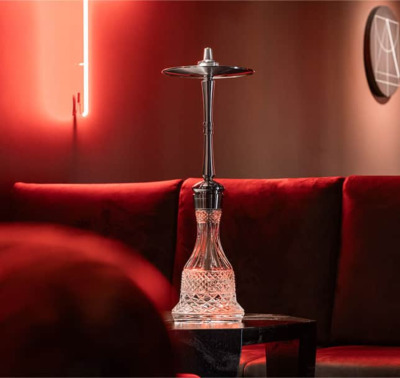
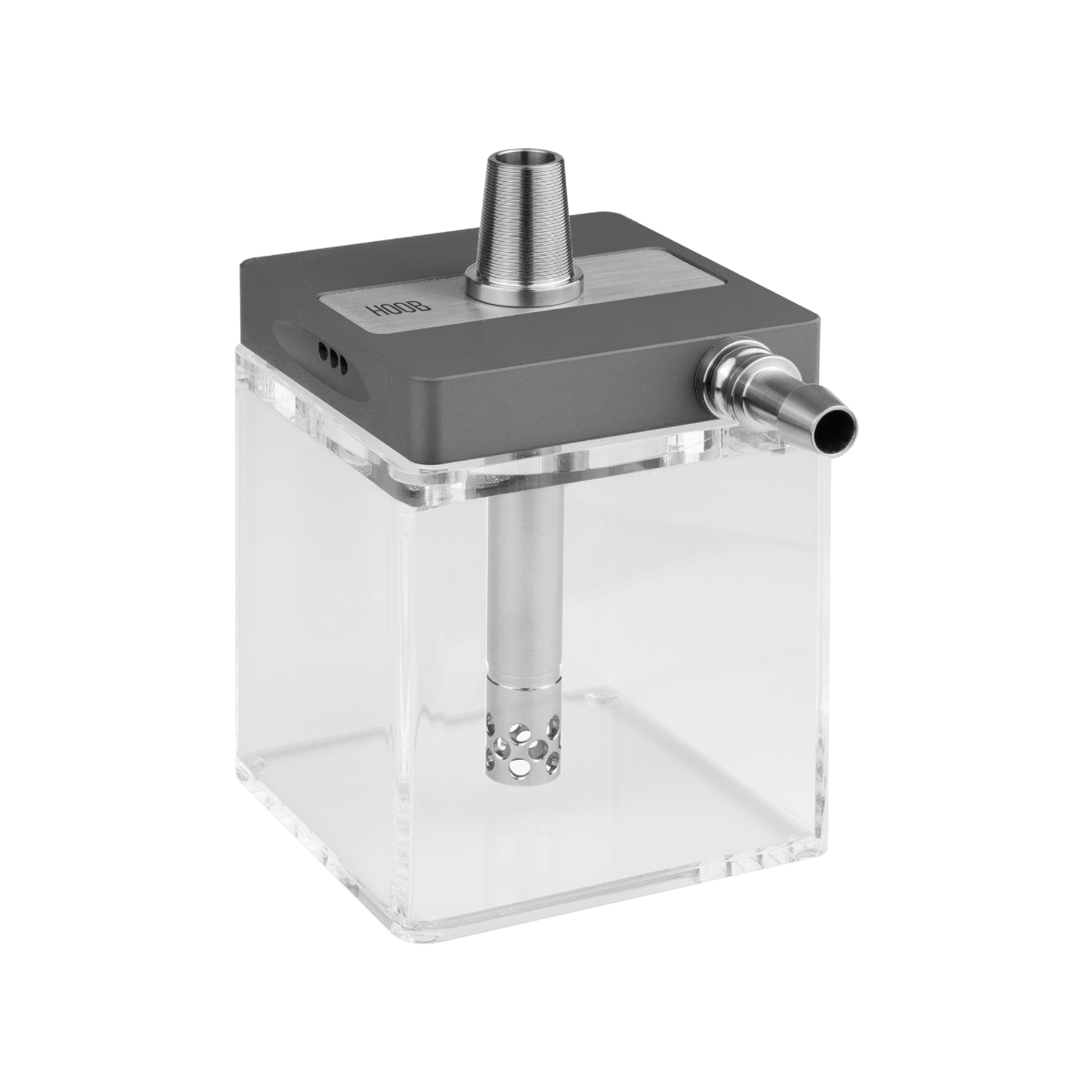
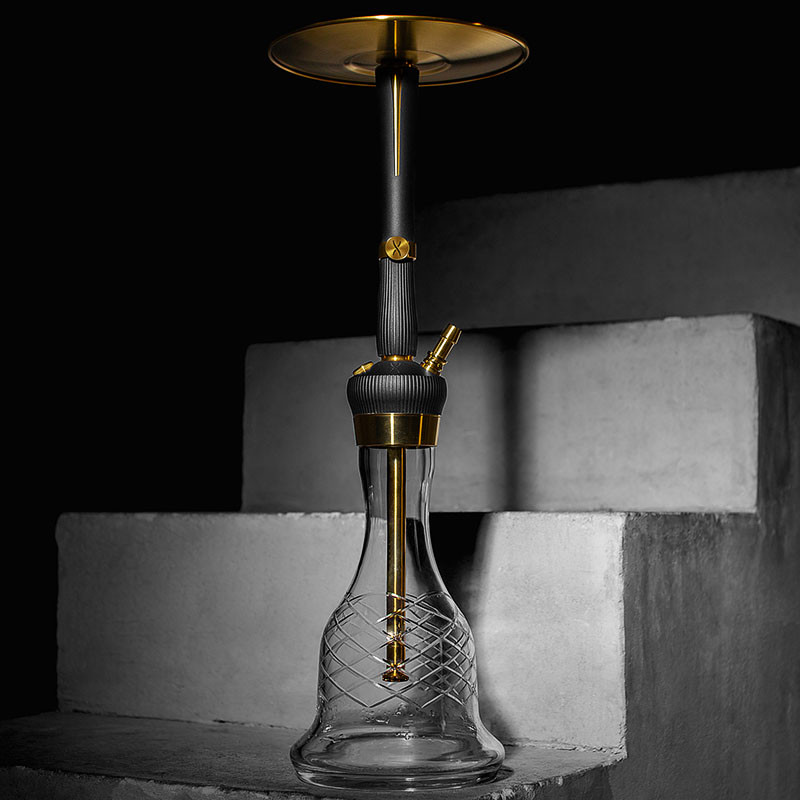
HOOB has manufactured traditional hookahs and accessories in Russia since 2013. When it comes to choosing the best hookah, the brand focuses on the criteria in this article—material, draw geometry, and after-sales service—rather than a place in someone else’s ranking.
What matters in HOOB engineering
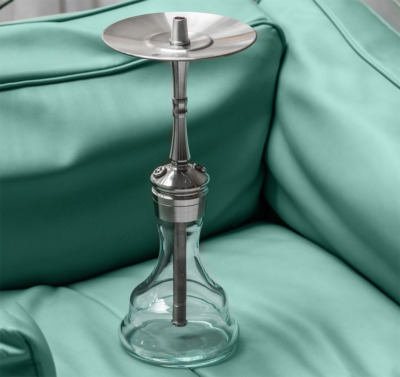
- Solid stainless steel in the stem: rustproof and taste-neutral.
- Well-designed draw geometry — a calculated internal diameter and diffused airflow.
- Magnetic connection between the stem and base (Hoob Magnetic Lock) for fast, threadless assembly.
- Replacement parts — seals and components are available, helping the hookah last for years.
The catalog includes product lines in a range of sizes, from compact to full-size. See all eight product lines on the “HOOB Hookahs” page.
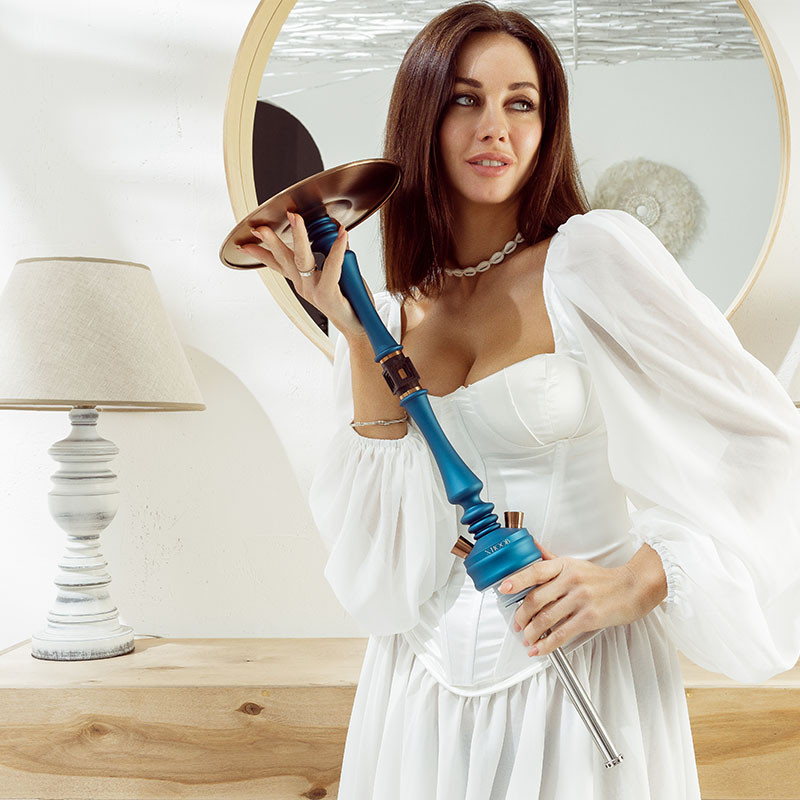
Important. HOOB does not sell hookahs, tobacco products, or nicotine-containing products remotely. Hoob.com is an online showcase: products can be viewed online and obtained through partner retailers.
Frequently asked questions about choosing a hookah
Which hookah is best to buy?
The best choice is the one that suits your needs based on seven criteria: stem material (stainless steel), airtightness, height and draw, build quality, bowl, after-sales service, and fittings. These features are a more reliable guide than a position in someone else’s ranking.
What is considered the best hookah?
There is no universally “best” hookah; the best model depends on the purpose. For home use, choose an airtight, medium-height stainless-steel model with a phunnel bowl; for travel, a compact portable model; and for maximum mobility, an electronic one. Judge by criteria, not brand prominence.
How much does a good hookah cost?
Price depends on materials and assembly. Budget models cost less but lose airtightness sooner; a mid-range stainless-steel model with a well-designed draw is optimal for home use; premium pricing is justified when it pays for engineering rather than a name.
Which hookah should I choose for home use?
Choose a medium-size hookah with a stainless-steel stem (45–60 cm), a phunnel bowl, a clear glass base, a silicone hose, and a functional valve. Airtightness and few joints matter more than size or price.
What is the difference between an inexpensive and an expensive hookah?
The difference lies in material, assembly precision, and durability. An inexpensive model may perform well at first but lose airtightness sooner. An expensive hookah is justified when the price pays for stainless steel, precision-fitted parts, and spare-part availability.
What types of hookahs are there?
Traditional charcoal hookahs (full-size, for homes and venues), electronic hookahs (electrically heated and portable), and mini/portable hookahs (compact, up to 45 cm). Each type has its own primary evaluation criterion.
How tall should a good hookah be?
For home use, a stem height of 40–70 cm is optimal, with 45–60 cm being the comfortable middle ground. This gives the smoke enough distance to cool. Very short models (up to 30 cm) cool the smoke less effectively.
How can I inspect a hookah before buying?
Assemble the hookah with water, cover the bowl opening with your palm, and inhale through the hose; the system should hold the vacuum. Check for play, inspect the base for damage, confirm that seals are present, and test the valve.
Can hookah rankings be trusted?
Use caution. Most rankings are compiled by online retailers, and the “top” often reflects margins and inventory rather than objective quality. Use rankings for ideas, but base your decision on clear criteria.
Which Russian hookah manufacturers are available?
The Russian market includes manufacturers that compete with global brands on engineering. Evaluate them by the same criteria: material, warranty, spare-part availability, and product-line continuity—not name recognition alone.
Is hookah harmful?
Hookah cannot be considered safe. Water captures some particles but does not filter out carbon monoxide or a significant share of tar. The claim “1 hookah = 100 cigarettes” is inaccurate, but the harm is real, regardless of price or brand.
Sources and responsible use
Methodology
This article was prepared by the HOOB editorial team in June 2026. The evaluation criteria are based on the design and practical use of modern traditional hookahs. These recommendations are for reference; confirm specific parameters with the manufacturer of your chosen model.
Sources
- Federal Law No. 15-FZ dated February 23, 2013, “On Protecting Citizens’ Health from Exposure to Environmental Tobacco Smoke…”
- WHO materials on the harms of waterpipe tobacco smoking.
- Manufacturers’ technical descriptions of hookah construction.
- HOOB traditional hookah catalog: hoob.com/rus/hookahs.html.
Responsible use
- The content of hoob.com and this article is intended for people aged 18 and over.
- Hookah smoking is harmful to health. Nicotine is addictive.
- If you do not smoke, do not start.
- Smoking is contraindicated for pregnant and breastfeeding people, minors, and people with respiratory conditions.
18+ Informational material. This article is for informational purposes and does not constitute advertising of hookahs, tobacco products, or nicotine-containing products within the meaning of Article 23 of Federal Law No. 38-FZ dated March 13, 2006, “On Advertising,” and Article 16 of Federal Law No. 15-FZ dated February 23, 2013. HOOB does not sell hookahs, tobacco products, or nicotine-containing products remotely. The website hoob.com is an online showcase for viewing the manufacturer’s product range.