
Hookah: History, Types, and How It Works
A hookah is a traditional device for consuming tobacco, with a long history of use across different cultures around the world. In this article, we look at different types of hookahs, their history, and the operating principle behind these smoking devices. We will discuss which materials are used to manufacture hookahs, how to prepare and use them correctly, and much more.

Table of contents
What is a hookah?
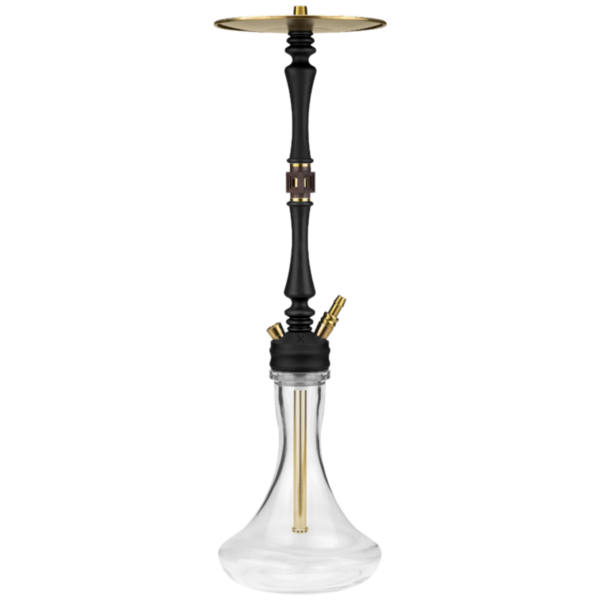
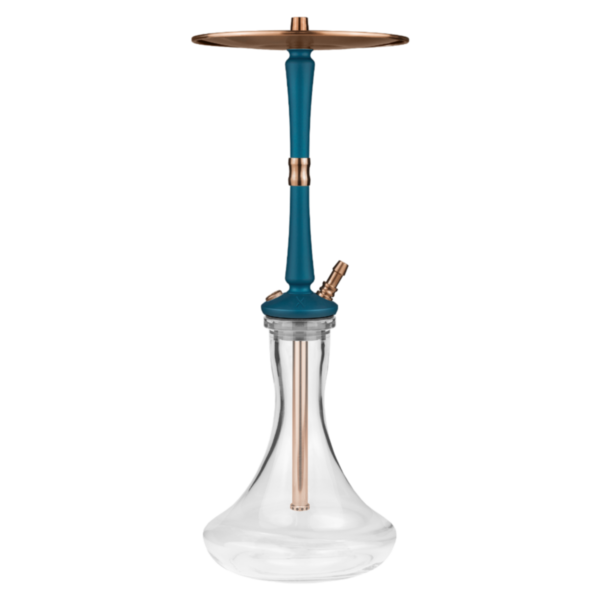
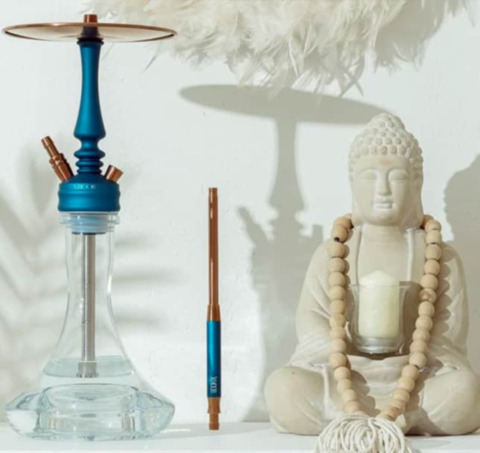
A hookah is a smoking device. Its design is engineered to cool and partially filter the smoke before it reaches the lungs. Cooling occurs when the smoke passes through the water in the base. At the same time, some heavier particles remain in the water and on the inner walls of the stem.
Myth: hookah is safe because the smoke passes through water.
Fact: water cools the smoke and retains some particles, but it does not make smoking harmless. A major source of harm is carbon monoxide, which charcoal releases during combustion.
Fact: water cools the smoke and retains some particles, but it does not make smoking harmless. A major source of harm is carbon monoxide, which charcoal releases during combustion.
Hookah is not more harmful than cigarettes. When smoking hookah, different chemical processes take place compared with cigarettes. The main harmful element is carbon monoxide, which charcoal releases as it burns.
Important: the amount of carbon monoxide released can be minimized by fully heating the charcoal evenly on all sides.
The materials used for the stem and accessories play a key role. HOOB products use only food-grade stainless steel and anodized aluminum. All processing methods applied are similar to those used in the food and medical industries. This increases product service life and helps minimize additional harm during smoking.
| Element | Purpose | What it affects |
|---|---|---|
| Water base | Cools the smoke | Smoothness of draw and smoking comfort |
| Stem | Transfers smoke from the bowl to the base | Hygiene, durability, and draw |
| Hose and mouthpiece | Deliver smoke to the user | Convenience, airtightness, and flavor purity |
| Bowl and charcoal | Heat the mixture | Flavor, smoke density, and session duration |
How to pack a hookah?
This method is suitable for those who have not been smoking hookah for very long.
1
Heat the charcoal
First, you need to start heating the charcoal. A hot plate with a heating coil is often used for this. Outdoors, charcoal can be heated over a fire or with a gas burner. Make sure the charcoal is fully lit and heated evenly on all sides; otherwise, it will release a large amount of carbon monoxide, which can cause dizziness and headaches.
2
Prepare the bowl
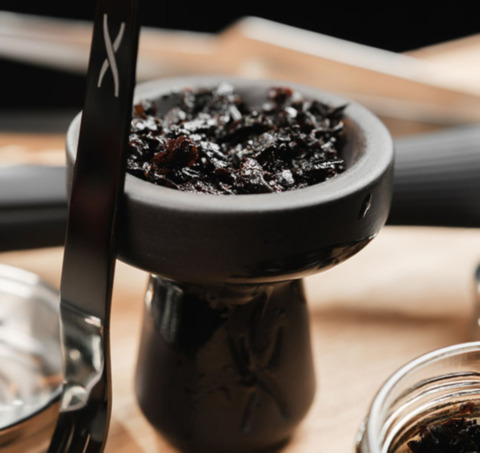
The next stage is important for smoking comfort and smoke density. To pack the bowl correctly, keep a gap between the tobacco in the bowl and the charcoal screen. Try to “fluff” the mixture, making it more airy so that hot air passes evenly through the leaves and the syrup vaporizes consistently.
3
Follow the rules for any bowl
Follow these rules regardless of which bowl you use. We recommend watching our video, which clearly shows how to pack a flavorful, smoky hookah yourself at home.
4
Install the charcoal screen
When the bowl is ready, place the HOOB Pyro charcoal screen on top. This accessory is made of aluminum and, in terms of technical characteristics, is close to traditional foil-based smoking. You can use foil, but installing the screen is more convenient and faster. Move the charcoal into the screen and let the bowl heat up for 3–5 minutes. After that, you can begin drawing and starting the session.
The history of hookah
Hookah as a device for consuming tobacco appeared in Persia and gained global popularity in India in the 17th–18th century. Its predecessor was the “goza” — a construction used for smoking tobacco and hashish.
The goza differed from the hookah familiar to us today because, instead of a glass base, it used a coconut or a clay vessel. There was no hose — a smoking tube protruded directly from the vessel. The goza was popular among poorer groups of the population, especially after the appearance of cigarettes, whose cost made them inaccessible to the poor.
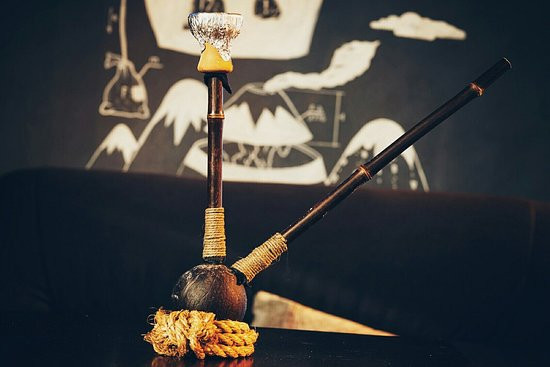
It was easier to obtain tobacco or other smoking herbs. Later, this evolved into a version with a glass base and a flexible hose. At that time, hoses reached three or even four meters in length so that people could enjoy the hookah in a comfortable position.
At the time, it was a fashionable attribute of a respectable person. A hookah was used to emphasize social status. Conversely, if a person did not smoke hookah or spoke negatively about it, this could negatively affect how others perceived that person and could even cause distrust.
The hookah we know today, or a device very close to its modern descendant, appeared in Persia. In Persian, the name sounded like “shisha,” meaning “glass.” “Glass” replaced coconut shells and clay vessels. Now you know what shisha is.
This name is still used in Eastern countries. In Turkey, Egypt, and other Arab countries, you can smoke shisha. Another popular name is “hookah.” This Indian interpretation became common in Europe and North America.
The name familiar in Russia comes from the Persian “qalyan,” derived from the Arabic “ghalyan” (“galian” — to boil, to bubble). This name took root across the CIS: Russia, Belarus, Kazakhstan, and Ukraine. Now you can use the right name depending on where you are — and comfortably smoke a hookah, hookah vape-style session, or shisha wherever you prefer.
What is smoked in a hookah?
A hookah uses a special mixture made from several components.
| Component | Role in the mixture |
|---|---|
| Base | The raw material that absorbs syrup and other additives. Most often this is tobacco leaf, but bases made from tea leaves, herbs, or fruit can also be found. |
| Syrup | Adds moisture and viscosity to the base, preventing the mixture from burning too quickly when exposed to elevated temperature. |
| Preservatives | Required to maintain the necessary product shelf life. |
| Glycerin | Increases the amount and density of smoke. |
| Flavorings | Add flavor and aroma to the mixture. |
The ingredients in a hookah mixture differ from the composition of a cigarette. The number of components in hookah mixture smoke is 142, while cigarette smoke contains 4,700. This does not mean that hookah is harmless. However, the quantity of certain harmful substances and carcinogens in hookah is lower than in cigarettes. The combustion temperature in a cigarette is much higher than in a mixture, and this plays a role.
One misconception is that the more smoke there is, the more harmful it is to health. Hookah smoke consists of glycerin vapor. If food-grade glycerin is removed from the mixture, there will be less smoke than from a regular cigarette. And because the smoke passes through the stem and water, heavier particles remain inside the hookah and enter the human body to a lesser degree.
The cancer risk among people who smoked exclusively hookah for more than 10 years is lower than among traditional cigarette smokers over the same period.

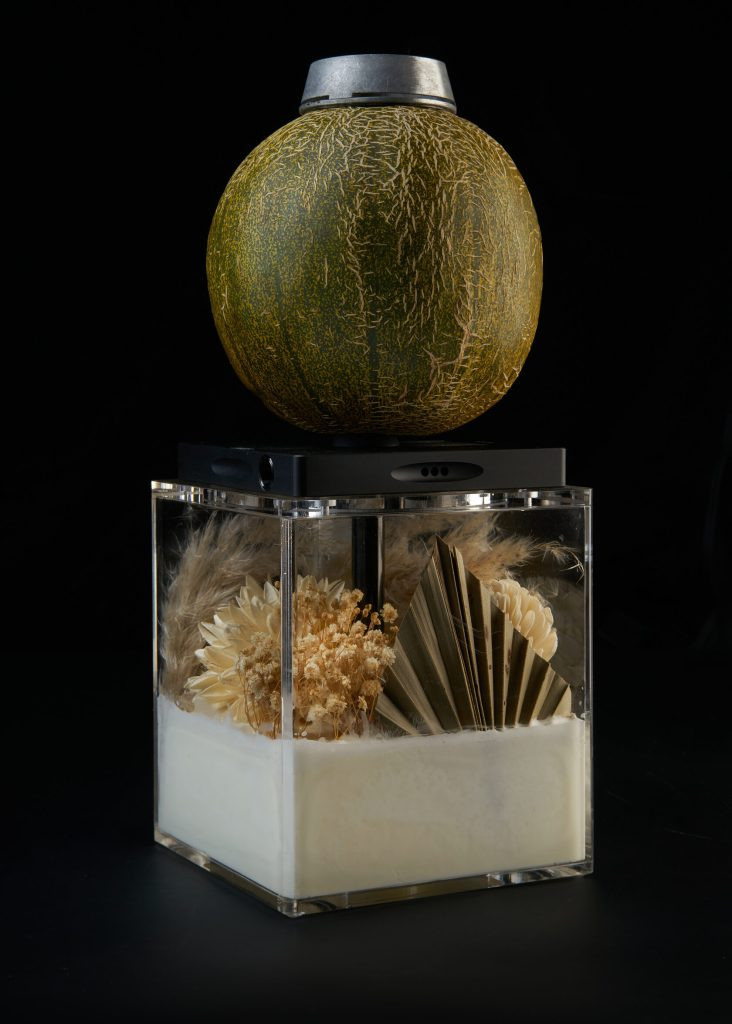
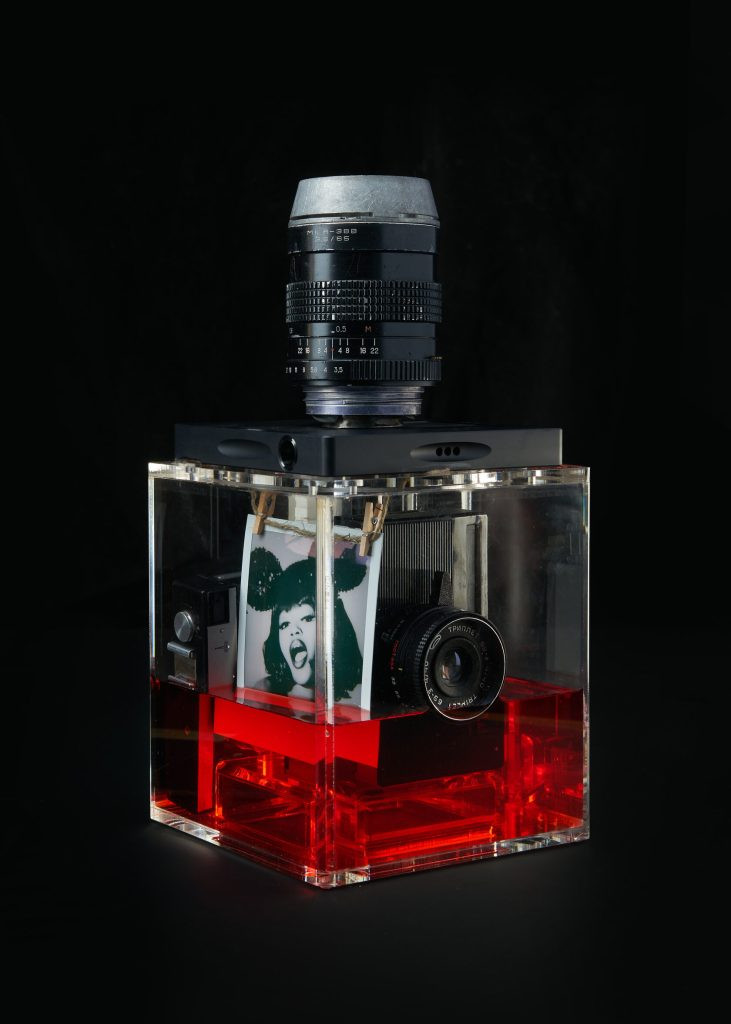
Cocktails in HOOB Atom hookahs by the TimeLess lounge space.
Why do people smoke hookah?
It is an excellent companion for gatherings with friends or for relaxing alone with your thoughts. Today, the market in Russia and around the world offers a huge number of hookah flavor mixtures: with and without nicotine, using tobacco, tea leaf, and other bases.
Everyone has their own reason for smoking hookah. Some enjoy “flavorful smoke,” for others it is nicotine, and for others it is a way to move away from the cigarette habit. The hookah smoking process has become highly modernized.
In the past, it was a personal device for smoking tobacco and hashish. Later, it became an accessory for wealthy people. Today, friends meet over a flavorful hookah, play board games, and spend time in good company.
The meaning of modern hookah: it is a ritual of communication and relaxation, where flavor, correct preparation, high-quality materials, and a responsible approach to consumption all matter.
Question — Answer
Which is more harmful: hookah or cigarettes?
One argument — that hookah is smoked for 40 minutes while a cigarette takes 3–4 minutes — can be misleading at first glance. A pack contains 20 cigarettes, and on average a smoker smokes 15–20 cigarettes. Multiply that by an average of 3.5 minutes and you get almost 60 minutes of smoking per day. But this is only one example, and if you examine the issue more deeply, there are many differences. Hookah is not more harmful than cigarettes, and the reverse is also true. Harm exists in both cases, and it is different.
What can a hookah be prepared with besides water?
Different liquids can be used in the base, often including freshly squeezed juices and fruit purées. This type of base filling adds fruit notes to the main flavor of the hookah mixture. You can find very interesting combinations that pair different base fillings with hookah mixture flavors.
How do you know when a hookah session is finished?
The aroma becomes weaker and a burnt taste appears. At the moment, the average hookah smoking session lasts 40–50 minutes.
Does hookah size matter?
There is a myth that the taller the hookah stem, the better the smoke is cooled. Smoke is cooled by passing through water. This is the main and only cooling method. Hookah size does not significantly affect smoking performance. Smoking performance is influenced by the design features of the hookah and by how correctly the bowl is packed.
How much water should be poured into a hookah?
The lower tube of the hookah should be submerged in water by 2–3 centimeters. HOOB hookahs have a special measuring line, which helps you pour the correct water level into the base.
Responsible consumption
18+ Informational material. The content of hoob.com and this article is intended for persons over 18 years of age. Smoking harms your health. Nicotine is addictive. If you do not smoke, do not start. Pregnant and breastfeeding people, minors, and people with respiratory or cardiovascular diseases should not consume tobacco products. Evidence-based methods exist for quitting smoking — discuss them with a doctor. This article is for informational purposes and is not advertising for hookahs, tobacco, or nicotine-containing products within the meaning of Article 23 of Federal Law No. 38-FZ “On Advertising” dated February 22, 2006, and Article 16 of Federal Law No. 15-FZ. HOOB does not sell hookahs, tobacco, or nicotine-containing products remotely. The hoob.com website is an online showcase for viewing the manufacturer’s product range.