
Why Your Hookah Is Not Producing Smoke: Causes and Fixes
If your hookah produces little or no smoke, the usual causes are an air leak, an incorrect water level, restricted airflow, insufficient heat, or a poorly prepared bowl. Check the system in order and change one variable at a time to find the cause without overheating the mixture.
Table of contents
Why a hookah produces little or no smoke
Smoke density depends on three linked conditions: air must pass through the heated mixture, the assembled hookah must not pull air around the bowl, and the heat must be sufficient to create an aerosol without scorching the mixture. If any one condition fails, smoke becomes weak, unstable, or disappears.
In short. Block the top of the stem and test the seal first. Then check the water level and unrestricted airflow. Adjust the packing and heat only after those checks.
Do not confuse visible smoke with strength or flavor. A mild mixture can produce dense clouds, while a strong one may perform poorly when the setup is wrong. Cloud size is also not a measure of safety.
How to diagnose weak smoke in 10 minutes
Avoid changing charcoal, water, and packing at the same time. Even if performance improves, you will not know which change solved the problem.
- The draw is unusually light and smoke is weak: suspect an air leak. Cover the top of the stem and inhale through the hose.
- The draw is heavy or water rises toward the hose: there may be too much water or a blockage. Lower the level and inspect the air channels.
- The draw feels normal but there is no smoke: suspect insufficient heat. Make sure the charcoal is fully lit and the bowl has warmed up.
- Smoke was good and quickly weakened: the charcoal may have cooled or become covered with ash. Remove the ash and reposition it.
- Smoke is weak and the flavor is harsh: suspect overheating. Reduce the heat and let the bowl recover.
Cause 1: the hookah is not airtight
With a leak, part of the air enters through a gap instead of passing through the bowl. The draw may feel unusually easy and the base may bubble, but smoke concentration remains low.
How to test the seal
- Remove the bowl and charcoal. Assemble the stem, base, and hose.
- Seal the top opening of the stem firmly with your palm.
- Take a gentle draw through the hose. Almost no air should enter.
- If air still flows, check the stem-to-base connection, hose port, hose, bowl grommet, and purge port assembly one at a time.
Inspect every grommet. A stretched, torn, or incorrectly sized seal cannot create a tight fit. Check the hose separately for cracks, loose connectors, and kinks.
Practical check. Repeat the blocked-stem test after every adjustment. Do not use wet tissues or improvised materials as a permanent substitute for the correct grommet.
Cause 2: incorrect water level or restricted draw
The end of the downstem must sit below the water, but there is no universal depth for every base. Too little immersion can make operation unstable; excessive immersion increases resistance and may push water toward the hose.
Begin with the level specified for your model. If there is no mark, adjust the water in small amounts and judge both bubbling and draw resistance. Water must not reach the hose port.
Other common airflow restrictions
- syrup or mixture particles blocking bowl holes;
- a kinked or dirty hose;
- deposits inside the stem or downstem;
- a pack that is dense enough to block the holes;
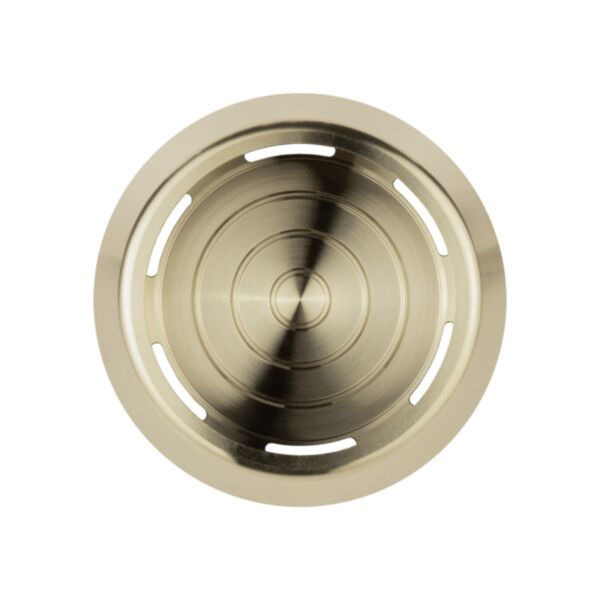
- ash or residue in the foil or heat-management device openings.
A diffuser changes bubble size and noise, but does not by itself guarantee an easier draw or denser smoke. The entire assembled system matters.
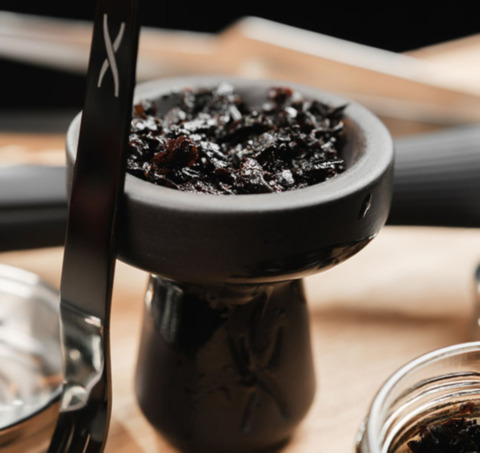
Cause 3: a bowl or packing error
Air needs to move through the heated mixture rather than through an empty channel around it. An overly dense pack restricts airflow; a sparse or uneven pack may heat in patches. Traditional and phunnel bowls have different airflow patterns, so one method cannot suit every bowl.
- Blocked holes: clear them without pressing mixture into them.
- Pack too dense: return to the recommended method for that product.
- Gap too large: heat may not reach the top layer effectively. Adjust the amount or heat setup.
- Accidental contact: the upper layer overheats quickly. Level the surface and follow the chosen method.
- Damaged bowl: cracks can cause leaks and unpredictable heating. Do not use a cracked bowl.
When you are unsure, repeat a basic method appropriate for the bowl and mixture instead of masking the error with more charcoal.
Cause 4: charcoal and heat management
Insufficient heat commonly causes a normal draw with thin smoke. Charcoal should be fully lit on every side before it is placed on the bowl. Black areas indicate uneven burning and unstable heat.
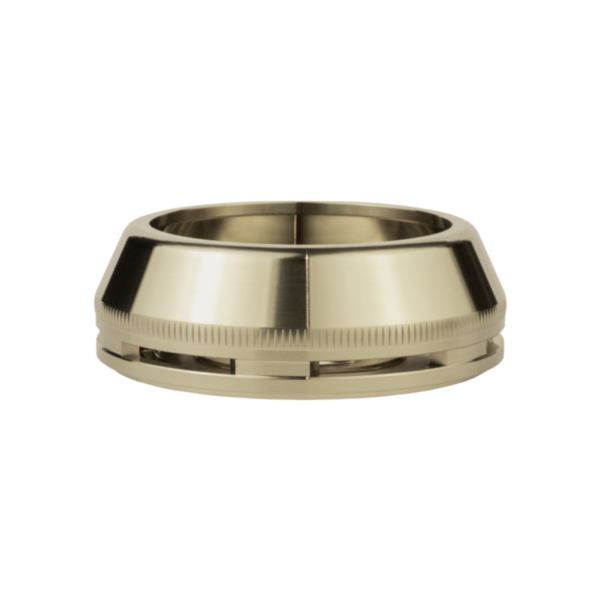
Allow the bowl to warm gradually. There is no universal warm-up time: it depends on bowl material and thickness, mixture mass, charcoal size, foil or heat-management device, and ambient conditions. Look for flavor and smoke developing without sudden harshness.
- Underheating: smoke stays thin and flavor remains weak. Increase heat slightly and wait before judging.
- Overheating: smoke may be dense at first, but flavor becomes harsh, bitter, or irritating. Reduce heat, pause, and check the top layer.
Adjust heat in small steps by changing charcoal position, ventilation, or ash buildup. Adding several pieces at once can quickly turn an underheated bowl into an overheated one.
Myth: more charcoal always means more smoke.
Fact: dense smoke requires a stable working heat range. Excess heat scorches the mixture and damages flavor.
Fact: dense smoke requires a stable working heat range. Excess heat scorches the mixture and damages flavor.
Cause 5: the mixture is dry or uneven
The condition of the hookah mixture affects aerosol formation. If the package was left open, liquid components separated, or the mixture dried out, a familiar setup may produce less smoke.
- Check the expiration date and storage instructions.
- Mix the contents gently before packing when the manufacturer allows it.
- Do not squeeze out liquid automatically; the correct approach depends on the product and bowl.
- Do not add food glycerin, syrup, or other liquids unless the manufacturer explicitly instructs you to do so.
If the same hookah works consistently with one mixture but poorly with another, the likely issue is the preparation and heat method rather than the stem.
Cause 6: the hookah needs cleaning
Residue builds gradually. Syrup and fine particles can enter the bowl holes, stem, and downstem, while deposits inside narrow channels and the hose add resistance. A setup that once worked may then produce less smoke and unwanted flavors.
- Stem and downstem: remove visible deposits and confirm the channel is clear.
- Base: replace the water and clean deposits from the walls and bottom.
- Hose port and hose: check airflow and kinks. Wash the hose only if its material is washable.
- Bowl: clear the holes and surface without damaging the material.
- Purge port: disassemble, clean, and reassemble it according to the model manual.
Dry the parts after washing and reassemble carefully. Water left in a hose can reach the mouthpiece and temporarily restrict airflow. Avoid abrasives and aggressive cleaners unless the manual permits them.
Diagnostic method. Compare the draw with no bowl, with an empty bowl, and finally with a packed bowl. The step at which resistance rises sharply points to the restricted component.
Why smoke disappears during a session
If smoke was adequate at first and later weakened, start with heat rather than the basic assembly.
- Check the charcoal. Remove ash and rotate the pieces.
- Judge the flavor. Weak flavor with thin smoke suggests cooling; harshness suggests overheating.
- Redistribute the charcoal. Avoid concentrating all heat in the center.
- Check the hose. It may have kinked or shifted in its port.
- Do not overuse the purge. Purging clears stale smoke from the base but cannot replace correct heat and packing.
A gradual decline near the end is normal: charcoal becomes smaller, heat falls, and the usable part of the mixture is depleted. Sometimes the session is simply over.
Common mistakes when trying to make more smoke
- Changing everything at once. You cannot identify or repeat the successful adjustment.
- Compensating for a leak with heat. The leak remains while the top layer may scorch.
- Watching bubbles only. Bubbles show air movement but do not prove that air passes through the bowl without a leak.
- Treating a heavy draw as quality. Unexpected resistance usually calls for a water-level and airflow check.
- Purging constantly. It cannot fix a blocked hose, poor pack, or weak charcoal.
- Skipping cleaning. Residue narrows channels and introduces unwanted odor.
What to check on a HOOB hookah
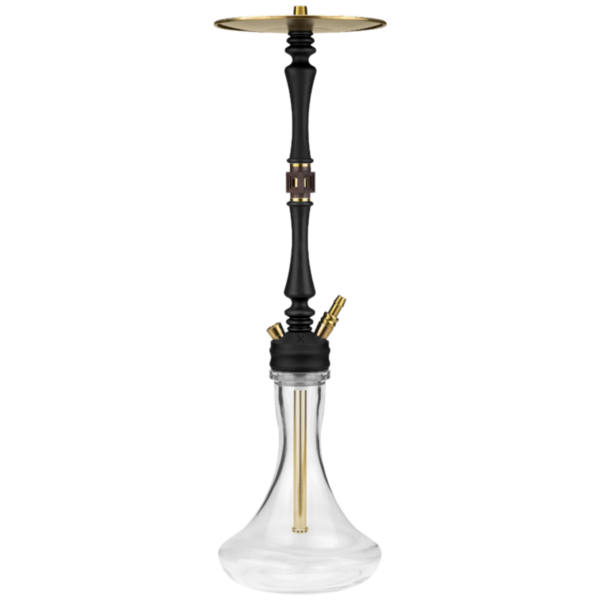
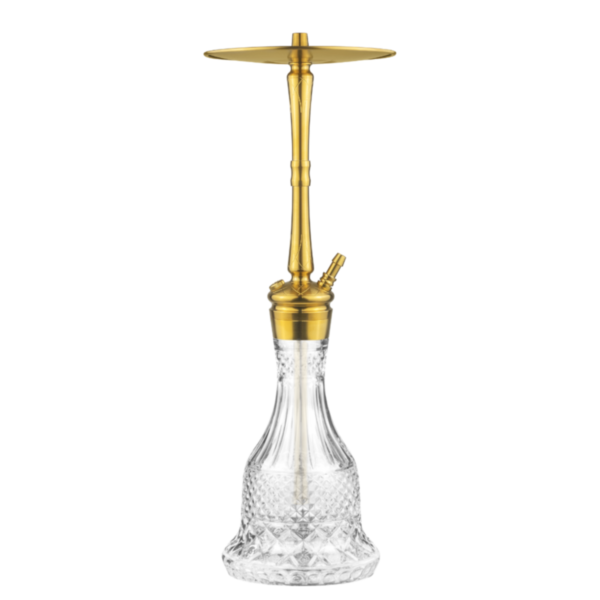
Use the same order for HOOB models: complete assembly, the water level specified for the model, an unrestricted hose, clean channels, and a correctly prepared bowl. If you suspect a leak, inspect the mating surfaces and standard connections instead of improvising replacement parts.
Replace a worn seal with a compatible part. HOOB offers a bowl grommet, spare parts, and silicone hoses. Confirm compatibility with your model page or manual.
Related guides and sections
Does less smoke mean less harm?
No. Visible smoke density does not measure chemical composition or risk. Emissions depend on the mixture, heat source, use pattern, and other conditions. Water does not make hookah smoke safe, and charcoal adds carbon monoxide and other substances.
Use a hookah only where permitted and with ventilation. If headache, nausea, dizziness, weakness, or confusion occurs, stop, move to fresh air, and seek medical help because these symptoms can be consistent with carbon-monoxide exposure.
Frequently asked questions
Why does my hookah draw normally but produce almost no smoke?
Check that the charcoal is fully lit and the bowl is warm. Then rule out excessive distance from the heat source, uneven packing, and a dry mixture. If the draw feels unusually light, test for an air leak first.
How can I tell whether my hookah has an air leak?
Remove the bowl, assemble the hookah, cover the top of the stem, and inhale through the hose. If air still enters freely, check the base connection, hose port, hose, grommets, and purge port assembly one by one.
Can too much water reduce hookah smoke?
Yes. Excessive downstem immersion increases resistance and can push water upward. Lower the level in small amounts and follow the instructions for your model.
How long should I preheat the bowl?
There is no universal time. It depends on bowl material and thickness, packing, charcoal, foil or heat-management device, and ambient conditions. Start with the accessory manufacturer's guidance and look for smoke developing without harshness.
Why is there little smoke but a bitter taste?
Weak smoke with bitterness can indicate localized overheating, contact between the upper layer and a hot surface, or contamination. Reduce heat, let the bowl recover, and check packing and cleanliness.
Will adding another piece of charcoal help?
Only when underheating is confirmed. More charcoal cannot fix a leak, excessive water, blocked channels, or poor packing, but it can quickly overheat the mixture.
Should I purge often to get denser smoke?
No. Purging removes some stale smoke from the base, but does not create smoke or replace correct heat. Excessive purging can disturb the heat balance.
Can I add glycerin to produce more smoke?
Do not change the mixture unless the manufacturer explicitly permits it. Additives alter its composition and heat behavior; use the product according to its instructions.
Methodology, sources, and responsible use
This guide was prepared on August 17, 2026. The editorial team compared recurring troubleshooting steps in Russian and international guides, then checked health statements against primary and official sources.
- CDC: Hookahs, accessed August 17, 2026.
- CDC: Carbon Monoxide Poisoning Basics, accessed August 17, 2026.
- WHO: Advisory note on waterpipe tobacco smoking, accessed August 17, 2026.
- American Heart Association: Water Pipe Smoking and Cardiovascular Disease Risk, accessed August 17, 2026.
Responsible use
No form of hookah smoking is harmless. Hookah products are intended only for adults of legal age. Do not use them during pregnancy, near children, or near anyone who may be harmed by smoke. Never use charcoal in an unventilated space and follow fire-safety requirements.
18+ Informational material. This article is provided for educational purposes and is not medical advice. Tobacco and nicotine products are addictive and harmful to health. HOOB does not sell hookahs, tobacco, or nicotine-containing products remotely. hoob.com is an online catalog presenting the manufacturer's product range.