
Why Your Hookah Tastes Bitter: 10 Causes and Fixes
A hookah most often tastes bitter because the mixture is overheating. Packing mistakes, incompletely lit charcoal, residue, or disrupted airflow can produce a similar harsh note. This guide helps you diagnose the symptom, identify ten common causes, and correct the setup without relying on universal “magic” settings.

Table of contents
Your hookah tastes bitter: what to do immediately
Stop drawing, remove one coal or the entire heat source, open the vents on the heat management device, and let the bowl cool slightly. Then gently purge the base through the purge port. This removes some stale smoke from the base, but it does not instantly cool an overheated mixture.
In short. If the taste returns to normal after reducing heat and taking a short break, heat management was almost certainly the cause. If bitterness remains from the first draw even under moderate heat, inspect the charcoal, cleanliness, mixture, and materials.
- Reduce the heat. Remove excess charcoal with tongs; never touch hot parts with your hands.
- Clear the smoke from the base. Make one or two gentle purges if the design and purge port allow it.
- Wait and test. Restore heat gradually, starting with a lower heat load.
- Pack a new bowl if the taste does not recover. Let the overheated bowl cool, clean it, and prepare it again with fresh mixture. A charred pack will quickly become bitter again.
How to distinguish overheating from other causes
When the off-flavor appears—and what it resembles—usually tells you more than smoke density. Match the symptom below, then change only one factor at a time.
| Symptom | Likely cause | First check |
|---|---|---|
| Bitter immediately after heating | Excess heat or mixture touching a hot surface | Remove heat and check pack height |
| Bitterness after 10–30 minutes | Accumulated overheating or coals left in one area | Reduce and redistribute heat |
| Charcoal smell or chemical note | Charcoal is not fully lit or is unsuitable | Inspect every side and replace if needed |
| Old flavor with a fresh mixture | Residue in the stem, base, hose, or bowl | Smell each clean, dry part separately |
| Restricted draw and localized bitterness | Airflow through the bowl is obstructed | Check holes, packing, and hose |
Test method. Do not replace the mixture, bowl, charcoal, and water level at the same time. One test should involve one change, so you can identify the cause and repeat the result.
10 reasons why a hookah tastes bitter
1. Too much heat
Excess heat is the most common cause. The result depends on the number and size of the coals, their position on foil or in a heat management device, a closed lid or wind cover, bowl material, and room conditions. There is no universal coal count: identical cubes behave differently with different bowls and mixtures.
What to do: remove one coal, move the remaining coals toward the edge, open the vents, and pause. Restore heat in small steps.
2. Heating for too long or too aggressively
Even an appropriate number of coals can overheat the top layer when the bowl sits too long under a closed heat management device or wind cover. Frequent deep draws during warm-up pull additional hot air through the pack.
What to do: begin with calm, short draws and judge flavor rather than smoke density alone. Adding heat is easier than recovering a charred pack.
3. The mixture touches foil or the heat management device
Contact is not always a mistake: touch packing and overpacking are deliberate methods. Accidental contact in a standard pack, however, creates hot spots. The top leaves darken, stick to the surface, and develop a sharp bitter taste.
What to do: level the surface before heating and leave the clearance appropriate for that bowl and method. No single millimeter value works for every setup.
4. Uneven or overly dense packing
A higher section receives more direct heat. Excessive density can obstruct airflow: the top overheats while the lower layer works poorly. In a traditional bowl, the holes can also become blocked.
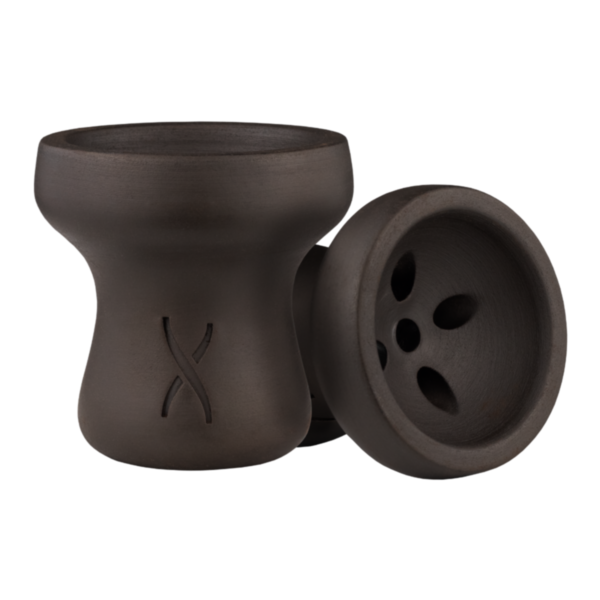
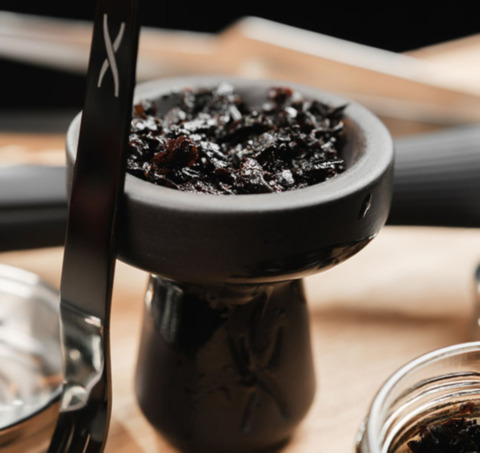
What to do: distribute the mixture evenly, preserve airflow channels, and account for bowl shape. See our hookah bowl packing guide for detailed methods.
5. The charcoal is not fully lit
Black, unlit faces produce unstable heat and a noticeable charcoal smell that may be mistaken for bitterness. Charcoal also affects smoke composition, so it should never be lit directly on the bowl.
What to do: fully light every side using suitable equipment. Replace charcoal of unknown composition.
6. Unsuitable charcoal or foreign combustible material
Barbecue charcoal, flavored fire starters, and improvised fuels can add odor and combustion products. Quick-light charcoal is a separate category with additives and does not behave like coconut charcoal.
What to do: use only charcoal clearly intended for hookah preparation and follow its instructions. Never use lighter fluid near the bowl.
7. Coals stay in one position for too long
Even moderate heat becomes locally excessive when the cubes do not move. A hot spot develops underneath them while another part of the bowl remains underheated.
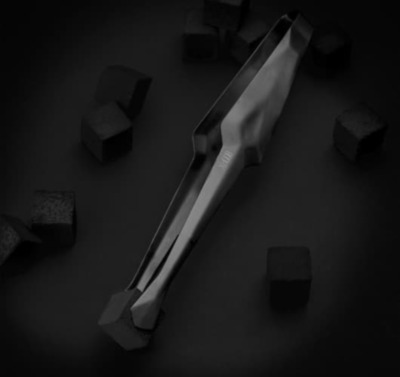
What to do: monitor coal position, tap ash onto the tray, and redistribute the cubes with tongs. Follow flavor and bowl behavior rather than treating a timer as an absolute rule.
8. The hookah, hose, or bowl is dirty
Syrup, mixture particles, stale water, and flavor from a previous session alter a fresh pack. An old note is especially noticeable in an unwashed hose or an odor-absorbing bowl. Changing only the water is not enough.
What to do: disassemble the hookah, wash water-compatible parts according to the manufacturer’s instructions, brush the stem and base, and dry everything completely. Do not wet components whose instructions prohibit it.
9. The mixture is dry, spoiled, or stored incorrectly
An uneven, dried-out, or contaminated mixture loses flavor faster and tolerates heat poorly. Some flavor ingredients may have a naturally bitter note, but a new burnt taste calls for checking the date, smell, and storage conditions.
What to do: stir only when the manufacturer permits it, use clean tools, seal the package, and follow its label. Do not try to revive a questionable product with homemade additives.
10. Airflow is obstructed or the assembly leaks
Blocked bowl holes, a pinched hose, incorrect assembly, or a loose connection changes draw resistance. Users then draw harder and more often, pulling more hot air through the bowl. A leak does not create bitterness by itself, but it can trigger a chain of heat-management errors.
What to do: once the hookah is cool, inspect the open channel, bowl fit, hose port, base, and seals. See our guide to hookah parts and anatomy.
Can you rescue an overheated bowl?
Mild overheating can often be reversed if you react at the first harsh note. A heavily charred pack usually cannot be restored; bitterness returns soon after heat is reapplied.
- Stop drawing.
- Remove excess heat and pause.
- Gently purge the base.
- Test with one calm draw.
- If the taste is normal, restore less heat. If bitterness remains, let the bowl cool and pack a fresh one.
Myth: a forceful purge always cools an overheated bowl.
Fact: purging primarily removes some smoke from the base. Its effect depends on the design; the main response to overheating is reducing the heat load.
Fact: purging primarily removes some smoke from the base. Its effect depends on the design; the main response to overheating is reducing the heat load.
How to make flavor more predictable
- Record the bowl, mixture, packing method, charcoal, and heat-source position.
- Light charcoal fully and move it only with tongs onto a stable tray or heat management device.
- Check packing evenness and airflow before adding coals.
- Start with moderate heat and increase it gradually.
- Clean smoke-contact parts after use according to their manuals.
- Keep the mixture sealed and do not combine questionable leftovers with a fresh package.
The main principle is to manage the whole system: mixture, packing, bowl, heat interface, and draw pace. Heat tolerance is a practical property of a particular product and setup—not one universal temperature.
What depends on the hookah itself?
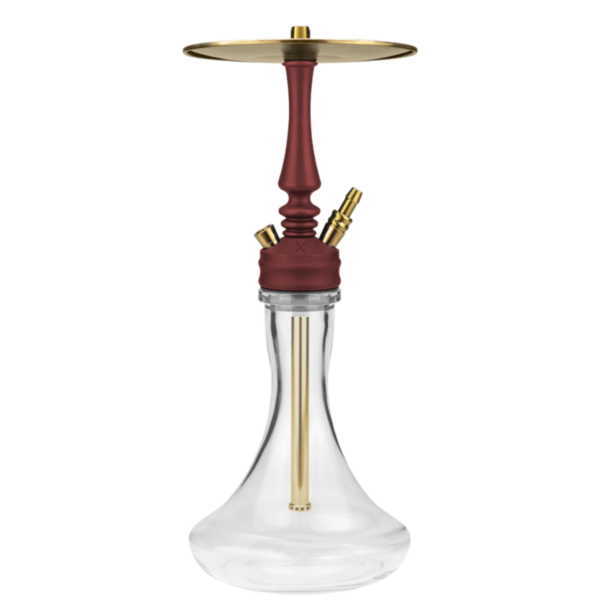
A hookah cannot repair an overheated bowl, but a clean stem, base, and hose plus an airtight assembly help eliminate stale odors and unpredictable air leaks. It should be possible to disassemble and clean compatible parts, inspect the purge port, and replace consumable seals.
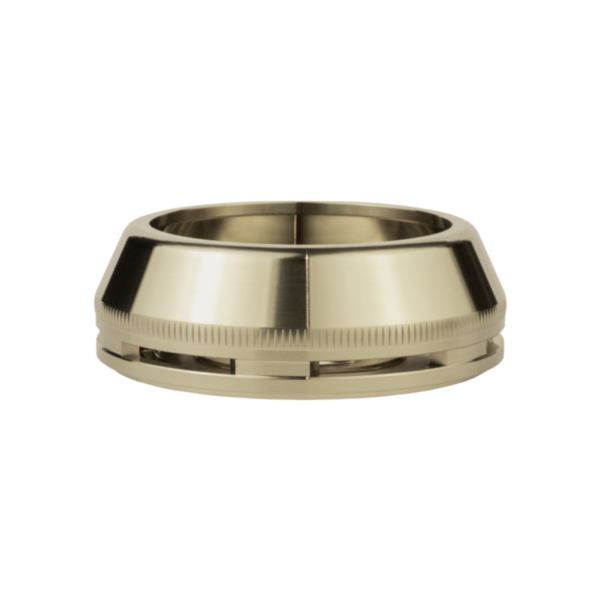
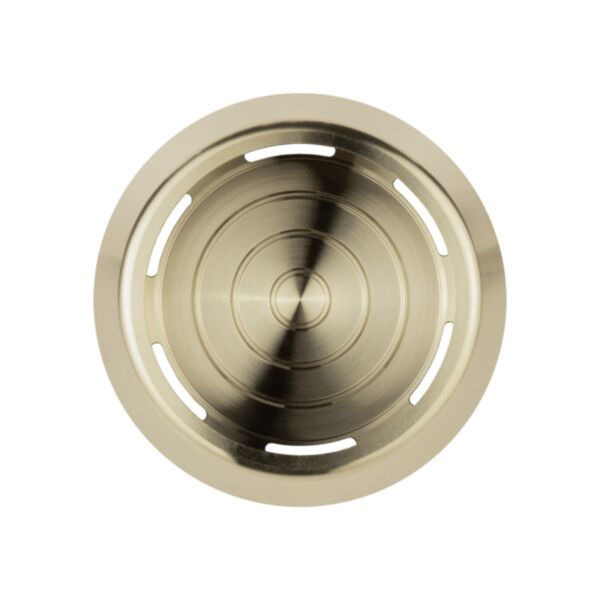
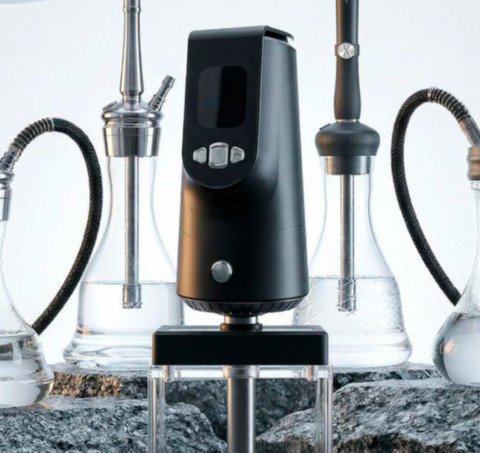
For HOOB systems, follow the manual for the specific model and verify component compatibility. Choose suitable bowl accessories and a heat management device, and do not automatically transfer settings from one bowl to another.
Related guides and sections
Bitterness, charcoal, and how you feel
A bitter taste is not a measure of harm and does not mean that water has filtered out hazardous substances. According to the CDC and WHO, hookah smoke contains toxic components, while charcoal adds carbon monoxide and other combustion products. No hookah use is risk-free.
Use a hookah only in a well-ventilated area. If headache, dizziness, nausea, weakness, or confusion occurs, stop immediately, move to fresh air, and seek medical care; call emergency services for severe symptoms.
Frequently asked questions
Why does my hookah taste bitter from the start?
The mixture usually receives too much heat during warm-up or touches the foil or heat management device. Remove the heat source, let the bowl cool slightly, and check pack height and evenness. A charcoal or chemical note also calls for inspecting the coals.
Why does my hookah turn bitter after 20 minutes?
The likely cause is accumulated heat: coals stayed in one area, a lid retained too much heat, or the draw pace increased. Reduce heat, redistribute the coals, and pause.
Will purging help when a hookah tastes bitter?
Purging through the purge port removes some stale smoke from the base but does not replace heat reduction. Remove excess charcoal first, then gently purge and test after a pause.
Can I continue after severe overheating?
If bitterness quickly returns after removing heat and pausing, the mixture is probably charred. Let the bowl cool, clean it, and prepare a fresh pack.
How many coals prevent a hookah from tasting bitter?
There is no universal number. Results depend on coal size, bowl, mixture type and quantity, foil or heat management device, and surrounding conditions. Begin with moderate heat and add more gradually.
Can a dirty hose make the flavor bitter?
Yes. Residue and odors from earlier sessions can add an old, sharp, or bitter note. Wash a hose only when its manufacturer permits water contact; replace one that is incompatible with washing or retains odor.
Does bitterness mean the mixture is strong?
No. Strength describes perceived nicotine and sensory impact, while bitterness more often comes from flavor, overheating, charcoal, or residue. They are not interchangeable properties.
Sources and responsible use
Methodology
Prepared on August 17, 2026 after reviewing the current HOOB blog, three Russian-language and three international industry guides. Professional materials were used to map common user errors; health statements were checked against primary and official sources. No universal coal count or temperature is prescribed without a specific system.
Sources
- CDC: Hookahs, accessed August 17, 2026.
- WHO: Advisory note on waterpipe tobacco smoking, 2nd edition, accessed August 17, 2026.
- FDA: Hookah Tobacco (Shisha or Waterpipe Tobacco), accessed August 17, 2026.
Responsible use
This material is intended for adults and is not a recommendation to begin or continue using tobacco or nicotine-containing products. Water does not make hookah smoke safe, and charcoal adds combustion products.
18+ Informational material. This article is for informational purposes only and is not advertising for hookahs, tobacco, or nicotine-containing products. HOOB does not sell hookahs, tobacco, or nicotine-containing products online. hoob.com is an online showcase of the manufacturer’s product range.