
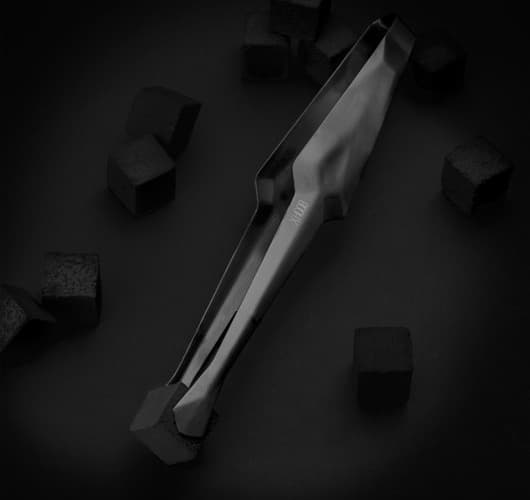
How to Light Hookah Coals Properly
Light natural coconut hookah coals on a dedicated electric burner, turning them with metal tongs until every side glows evenly beneath a light-gray ash layer. Do not rely on the timer alone: a black patch means the coal is not fully lit.
Contents
How to light hookah charcoal: the quick answer
Place a dedicated electric burner on a stable, non-combustible surface in a well-ventilated area. Space the coconut cubes across the heating element instead of stacking them. Turn on the burner and wait until the bottom faces are glowing. Turn each cube with metal tongs and continue heating until no black areas remain.
In short. A coal is ready when it glows evenly under a thin layer of light-gray ash and has no black, cold faces. The exact time depends on coal size, density, burner output, and burner design.
Common coconut cubes often need roughly 7–12 minutes, but this is only a working range. Large cubes on a low-output burner may take longer, while smaller or flatter pieces can ignite sooner. Condition always matters more than a fixed number of minutes.
What you need before switching on the burner
Set up the entire work area first. Once the coals are hot, you should not have to search for tongs, clear paper from the counter, or improvise a place to put a glowing cube.
| Item | Purpose | Check |
|---|---|---|
| Coconut charcoal | Heat source for the bowl | Dry, intact, correctly labeled |
| Electric burner | Steady, prolonged heating | Sound cable and stable position |
| Metal tongs | Turning and carrying coals | Secure grip on the chosen cube |
| Heat-resistant surface | Protects furniture and floor | No paper, cloth, or plastic nearby |
| Metal tray | Temporary rest for hot coals | Dry, stable, and non-combustible |
Practical tip. Assemble the clean hookah and prepare the bowl before the coals finish lighting. Never leave the burner unattended to save time elsewhere.
Natural coconut vs quick-light charcoal
The correct method starts with identifying the product. Natural coconut charcoal is a compressed material made from coconut shell and needs sustained external heat. Quick-light charcoal contains an ignition aid that lets a tablet catch from a match or lighter. Shape alone is not reliable, so read the manufacturer’s label.
| Factor | Coconut | Quick-light |
|---|---|---|
| Heat source | Usually an electric burner | Match or lighter as directed |
| Ready sign | All faces glowing, no black spots | Sparking has stopped; tablet is evenly lit |
| Preparation | Several minutes and at least one turn | Faster, but ignition compounds must burn through |
| Typical role | Controlled heat for regular sessions | Situations without a suitable burner |
“Natural” does not mean emission-free. All burning charcoal produces carbon monoxide. Ventilation is necessary, and charcoal must never be lit or used in a sealed room, vehicle, tent, or similar enclosed space.
Step-by-step: lighting coconut hookah coals
- Ventilate the area. Open a window and ensure fresh air can enter. A kitchen hood of unknown performance is not a substitute for fresh-air ventilation.
- Clear the workspace. Remove the charcoal bag, paper towels, aerosols, lighter fluid, and other combustible materials.
- Inspect the burner. Set it level, check its cable, and follow the appliance instructions. Do not cover the element with foil unless the manufacturer explicitly permits it.
- Place the cubes. Use tongs to put dry coals on the heating area with space between them. Do not build a tower of cold cubes.
- Start heating. Watch the coals. The face nearest the element begins to glow red-orange while the surface develops ash.
- Turn every cube. Once the lower face is well lit, turn the coal with tongs. Rotate again if a side face remains dark.
- Inspect all faces. There should be no black patches. A gentle puff can make the glow visible, but keep your face away from the burner and fumes.
- Transfer one at a time. Grip each cube firmly and move it above a clear, non-combustible path to the tray, foil, or heat controller.
- Switch off the burner. Check the control, secure the cable, and leave the appliance where nobody can touch it until it is completely cool.
How to tell when a hookah coal is fully lit
The clearest sign is the absence of black areas on every face. A ready cube is normally covered by a thin, light-gray ash layer with an even red-orange glow beneath it. If one face is still black, return that face to the heating element.
A thick layer of ash on top is not enough: the lower or side face may remain unlit. Lift and inspect the cube with tongs in good light. Never bring it close to your face to judge the color.
Myth: the coal is ready as soon as one corner turns red.
Fact: a partly lit cube delivers uneven heat and continues igniting above the bowl. Heat every face before use.
Fact: a partly lit cube delivers uneven heat and continues igniting above the bowl. Heat every face before use.
What changes the lighting time
A timer is useful only when you repeatedly use the same charcoal and burner. Change either one and the familiar timing can become misleading. Combine a rough timer with a visual check.
- Size and shape: a 25 or 26 mm cube heats differently from a flat or smaller piece.
- Density: formulation and compression vary between brands and batches.
- Heating element: exposed coils, covered elements, and charcoal baskets transfer heat differently.
- Burner condition: dirt, wear, and unstable power can slow heating.
- Number of cubes: crowding changes airflow and heat distribution.
- Moisture: damp charcoal can light slowly, crack, or crumble.
If a new pack behaves very differently, do not compensate with uncontrolled maximum heat. Check storage, cube integrity, burner cleanliness, and the manufacturer’s directions. Repeated strong odor, severe sparking, or breakage is a reason to stop using the batch.
Which heat sources can light hookah coals?
Dedicated electric burner
This is the most straightforward household method for coconut charcoal: continuous heat and easy access for turning. Use an appliance that permits the intended load, and keep it separate from food preparation.
Gas hob or camping burner
An open flame increases stability, ventilation, and fire-safety requirements. Do not let a cube fall into the burner or rely on improvised supports. Indoors, a suitable dedicated electric burner is preferable.
Glass-ceramic or induction cooktop
Do not put charcoal directly on a cooking surface. It can damage or contaminate it, and induction does not heat charcoal directly. Only use cookware or adapters if the appliance instructions permit the method; do not reuse charcoal cookware for food.
Lighter or handheld torch
A regular lighter is intended for quick-light tablets, not for evenly heating a coconut cube. A torch concentrates heat on a small area and requires continuous handling and rotation, making it a less stable solution.
Common lighting mistakes and fixes
| Problem | Likely cause | Fix |
|---|---|---|
| One face stays black | Coal was not turned | Return the black face to the element |
| Cube splits | Moisture, defect, or rapid temperature change | Discard fragments and keep the pack dry |
| Lighting takes too long | Low output, large coal, poor contact | Check burner mode and placement |
| Strong unusual odor | Dirty burner, unsuitable coal, or additives | Stop, ventilate, and inspect both |
| Coal dies on the bowl | Incomplete ignition or restricted airflow | Fully light a fresh coal; check placement |
| Bowl turns harsh quickly | Excess heat or contact, among other causes | Reduce heat and check the bowl pack |
Carbon monoxide, burns, and fire safety
Burning charcoal produces carbon monoxide, a colorless and odorless gas. An open window reduces accumulation but does not make the process harmless. Never light coals in a small sealed room, car, tent, or other enclosed space.
- Never leave the burner or hot coals unattended.
- Never use gasoline, alcohol, barbecue lighter fluid, or aerosols.
- Do not touch charcoal, even when its surface looks gray.
- Keep children and pets outside the work area.
- Do not place hot coals on wood, plastic, cloth, or glass.
- Keep a clear, non-combustible route between burner and hookah.
Headache, dizziness, nausea, weakness, or confusion during lighting or a session may be consistent with carbon monoxide exposure. Stop immediately, move to fresh air, and seek emergency help. Do not re-enter an unsafe space to collect belongings.
Important. You cannot reliably detect carbon monoxide by smell. A domestic CO alarm is an additional precaution, not a substitute for ventilation, sound equipment, and avoiding charcoal combustion in enclosed spaces.
How to store and dispose of charcoal
Coconut charcoal absorbs moisture and odors. Keep an opened pack in a dry, closed container away from sinks, steam, household chemicals, and strongly scented products. Preserve clear labeling and keep it out of children’s reach.
If cubes are damp, crumbling, or smell unusual before lighting, replace the pack. Do not attempt rapid drying in an oven, microwave, or on a heater; this adds fire risk and can contaminate household appliances.
Gray does not mean cold. A glowing center can remain beneath the ash after the session. Move remnants with tongs into a purpose-made, non-combustible metal container. Do not put them in a bin with paper or plastic until all glowing and smoldering have stopped and everything is fully cool.
Check. Dispose of charcoal only after the container and its contents are completely cool. Never test the temperature with a bare hand.
What to do after the coals are lit
Move fully lit coals to the prepared foil or heat controller. The starting quantity and position depend on cube size, bowl, pack, heat controller, and the mixture’s practical heat tolerance. There is no universal “always use three” rule.
During preheat, distribute the coals across the working surface and then adjust. If the taste becomes sharply bitter or irritating, reduce the heat: move coals toward the edge or remove one to a metal tray. Purging removes some smoke from the base, but it is not a universal method for cooling an overheated bowl.
HOOB accessories for working with heat
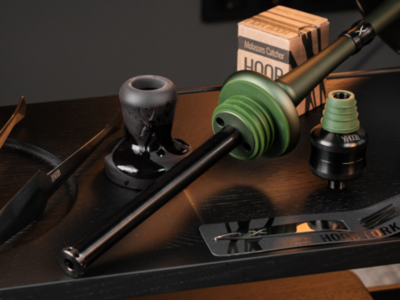
Once the charcoal is fully lit, secure handling and controlled heat transfer become the priority. HOOB makes separate accessories for those tasks; neither replaces ventilation or fire-safety practices.
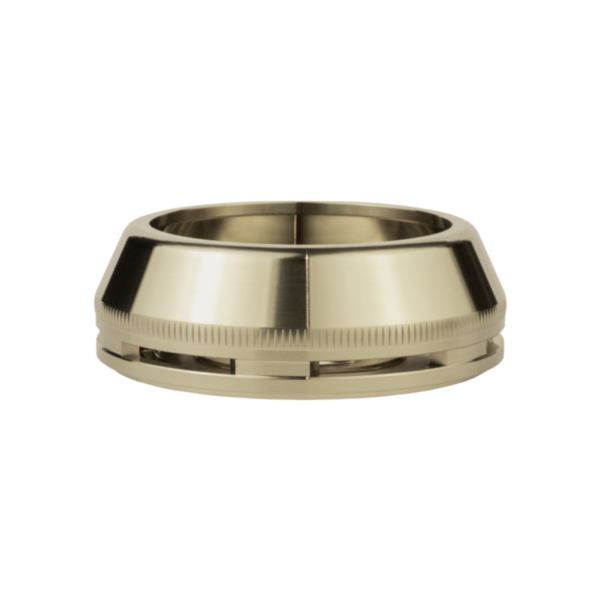
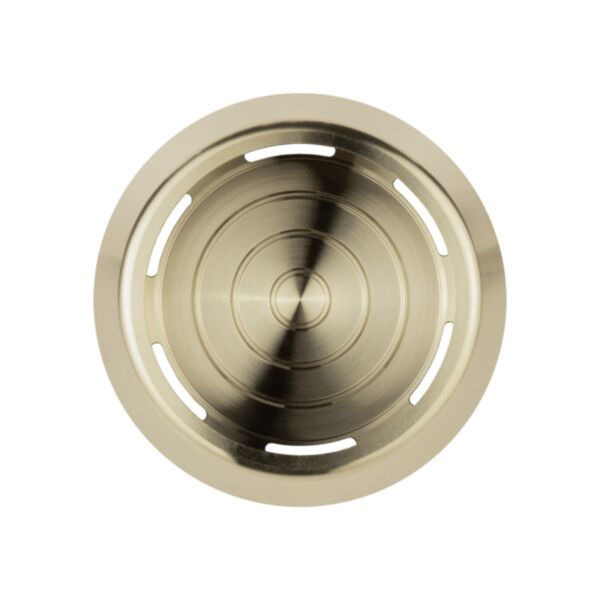
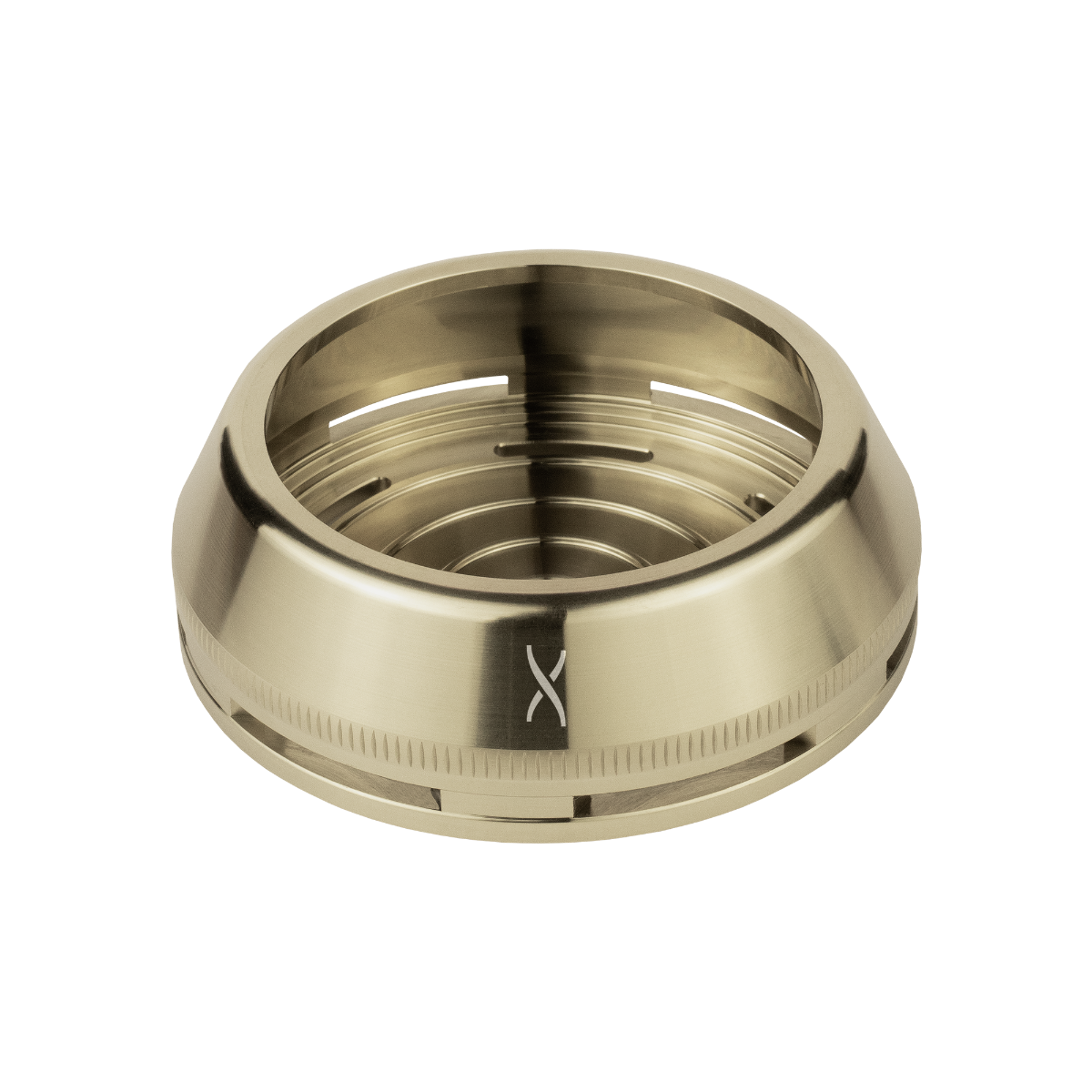
Hoob Pyro
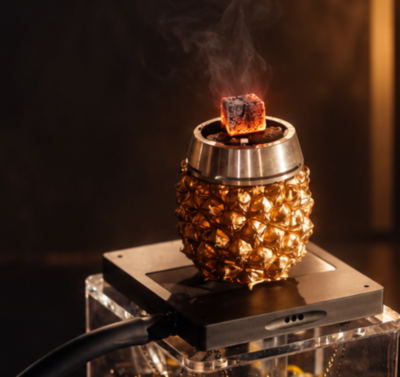
This heat controller sits on the bowl instead of foil and regulates heat transfer from charcoal to the hookah mixture. Use only fully lit coals and confirm compatibility with your bowl.
ACCS Tongs
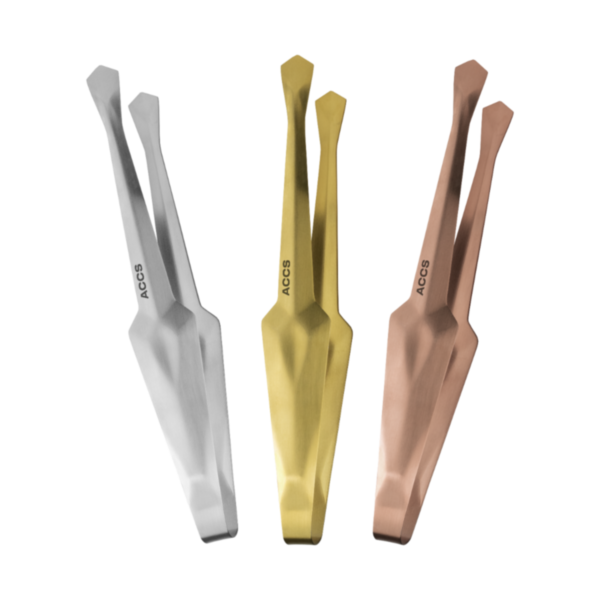
These 25 cm metal tongs are designed to move and manage hot hookah charcoal. Before lighting, check that their broad tips hold your chosen coal format securely.
Related catalog sections
Frequently asked questions
How long does coconut hookah charcoal take to light?
It often takes about 7–12 minutes, but the exact time depends on coal size and burner output. Look for an even glow, light-gray ash, and no black patches on any face.
Can I light coconut coals with a regular lighter?
A regular lighter heats too small an area to ignite a coconut cube evenly. Use a dedicated electric burner or another method explicitly permitted by the charcoal and equipment instructions.
Do I need to turn hookah coals on the burner?
Yes. Turning heats the upper and side faces. If one face remains black, place it toward the heating element and continue until the cube is evenly lit.
Why is one side of my coal still black?
That side did not receive enough heat or had poor contact with the heating zone. Reposition it with tongs and continue; do not put a partly black cube on the bowl.
Can I light hookah charcoal on a gas stove?
An open flame requires a stable non-combustible support, constant supervision, and strong ventilation. Indoors, a dedicated electric burner suitable for the task is preferable.
Can I light coals in a room with the window open?
Burning charcoal produces carbon monoxide, so a sealed room is unacceptable. An open window reduces accumulation but does not guarantee safety; use a well-ventilated area and never leave coals unattended.
Can partly lit coals go into a heat controller?
They should not. First light every face evenly. A partly black cube continues igniting above the bowl and creates less predictable heat.
How should I extinguish coals after a session?
Move them with tongs into a stable, non-combustible metal container and follow local fire-safety rules. Before disposal, make sure there is no glow or smoldering and that the contents are completely cool.
Sources and responsible use
Methodology
This guide was reviewed on August 17, 2026 against HOOB catalog information, equipment instructions, and current international industry guidance. Lighting time is presented as a working range; readiness is determined by visible condition. Health statements were checked against primary CDC, WHO, and FDA materials.
Sources
- CDC: Hookahs, accessed August 17, 2026.
- WHO: Advisory note on waterpipe tobacco smoking, accessed August 17, 2026.
- FDA: Hookah Tobacco, accessed August 17, 2026.
- HOOB: Hoob Pyro heat controller, accessed August 17, 2026.
- HOOB: ACCS Tongs, accessed August 17, 2026.
Responsible use
No form of hookah smoking is completely harmless. Charcoal adds carbon monoxide and other combustion products, and water in the base does not remove all toxic substances. If you do not use tobacco or nicotine products, do not start.
18+ Informational material. This article is provided for informational purposes and is not intended for minors. HOOB does not claim that hookah use is safe. Third-party trademarks belong to their respective owners and are mentioned for informational purposes only.